
The MOMENTUM trial continues to show positive results for momelotinib fro the treatment of anemic myelofibrosis.
The MOMENTUM trial continues to show positive results for momelotinib fro the treatment of anemic myelofibrosis.

COMMODORE study results are positive for its two primary end points of stable hemolysis control and transfusion avoidance in patients with paroxysmal nocturnal hemoglobinuria treated with crovalimab.
Olverembatinib is efficacious and well tolerated in tyrosine kinase inhibitor-resistant CML-CP and CML-AP patients with a BCR-ABL1 T315I mutation.

Results from a post-hoc analysis of ARCHES showed that the enzalutamide plus ADT significantly improved survival, as well as key secondary end points, compared with placebo plus ADT in patients with metastatic hormone-sensitive prostate cancer.

Retrospective data signal that transplant with a matched sibling donor may prolong survival over haploidentical stem cell transplant in patients with relapsed or refractory acute myeloid leukemia.

Sotorasib continues to wow in the phase 1/2 CodeBreaK 100 trial of patients with KRAS G12C–mutant non–small cell lung cancer.

Results from 3 clinical trials show that adjuvant CDK4/6 inhibition is a good option for early-stage hormone-receptor-positive breast cancer.
An exploratory analysis of the phase 3 JAVELIN Bladder 100 trial shows that the overall survival benefit of frontline maintenance avelumab is sustained in patients with advanced urothelial cancer.
A significant percentage of reduction in the risk of radiographic disease progression or death was observed with olaparib plus abiraterone compared with placebo and abiraterone in patients with metastatic castration resistant prostate cancer.
Chimeric antigen receptor T-cell therapies have demonstrated potential in chronic lymphocytic leukemia. However, T-cell dysfunction that is inherent to the disease, including reduced proliferative and cytotoxic capacities, limits the efficacy of this approach, according to an expert.

Updated survival results from the phase 2 DESTINY-Gastric01 trial reveal the survival benefit of trastuzumab deruxtecan HER2-positive gastric cancer or gastroesophageal junction adenocarcinoma.

In a presentation during the 39th Annual Chemotherapy Foundation Symposium, Bhavana Pothuri, MD, MS, explained the recent advances in subtypes and treatment options for patients with endometrial cancer.

In the MEDALIST analysis that was presented at the 2021 ASH Annual Meeting, investigators sought to further characterize the effects of luspatercept in patients with low-risk myelodysplastic syndrome.
Updated results from CARTITUDE-1 reveal deep and durable response to ciltacabtagene autoleucel treatment in patients with multiple myeloma.
Phase 3 ZUMA-7 study results indicate that axicabtagene ciloleucel may achieve longer event-free survival compared with standard chemotherapy.
Patients with acute myeloid leukemia, acute lymphoblastic leukemia, and myelodysplastic syndrome had higher mortality rates after being diagnosed with COVID-19 than those with COVID-19 who did not have cancer.

Phase 3 results from a cohort of patients in China show a progression-free survival benefit with entinostat/exemestane.
During a press briefing ahead of the 2021 San Antonio Breast Cancer Symposium, results from the phase 3 EMERALD trial were presented.

In patients with CLL who were treated with venetoclax, acalabrutinib, and obinutuzumab, Cell-free DNA–based minimal residual disease testing was found to be feasible.

Findings from the phase 1/2 trial of mobocertinib show clinical activity in a subset of patients with EGFR exon 20-positive non–small cell lung cancer.
Data from the phase 3 POSEIDON trial were presented during the International Association for the Study of Lung Cancer 2021 World Conference on Lung Cancer.
Findings from the phase 1 MonumenTAL-1 trial demonstrate the clinical activity of talquetamab in patients with relapsed or refractory multiple myeloma.
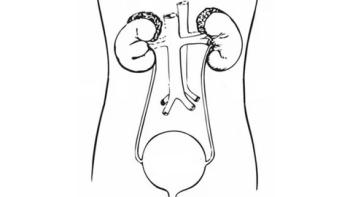
Results from the phase 4 MITO-BCG study show safety of sequential mitomycin with BCG for the treatment of high-risk muscle invasive bladder cancer.

Exploratory results from the phase 3 IMpower010 trial look positive fo the use of adjuvant atezolizumab in various non–small cell lung cancer populations.
The combination of nivolumab/ipilimumab did not significantly improve OS compared with chemotherapy in patients with advanced gastric, gastroesophageal junction, or esophageal cancer.

In Western patients with HER2-positive gastric/gastroesophageal junction cancer Fam-trastuzumab deruxtecan-nxki as a second-line treatment elicited a 38% confirmed objective response rate.
Pathological complete response rates and event-free survival in patients with treatment-naïve triple-negative breast cancer were improved with The addition of carboplatin to neoadjuvant paclitaxel followed by doxorubicin and cyclophosphamide.

An impressive disease-free survival benefit was seen in patients with clear cell renal cell carcinoma with pembrolizumab as an adjuvant therapy following nephrectomy compared with placebo. This improvement was observed across subgroups.
Patients with microsatellite instability–high or mismatch repair–deficient prostate cancer may be more likely to respond to treatment with checkpoint inhibitors compared with those who have high tumor mutational burden.
Results from a phase 1/2 study showed a high rate of objective response with mobocertinib in a subset of patients with EGFR exon 20 insertion mutation–positive non–small cell lung cancer.