
Unique challenges and opportunities for the treatment and management of patients with hepatocellular carcinoma have been identified by the Association of Community Cancer Centers in an analysis.
Unique challenges and opportunities for the treatment and management of patients with hepatocellular carcinoma have been identified by the Association of Community Cancer Centers in an analysis.

A Biologics License Application was submitted to the FDA seeking approval of amivantamab as treatment of patients with metastatic non–small cell lung cancer harboring EGFR exon 20 insertion mutations whose disease progressed on/after platinum-based chemotherapy.

ONCOS-102 plus pembrolizumab demonstrated promising objective responses as treatment of patients with anti-PD1–refractory malignant melanoma.
Here is a look back at the FDA happenings from the month of November 2020.

A once-per-week selinexor, bortezomib, plus dexamethasone treatment strategy appeared effective and convenient as treatment of patients with multiple myeloma who received at least 1 to 3 prior lines of therapy.

In an interview with Targeted Oncology, Pasi A. Jänne, MD, PhD, discussed the updated findings from the phase 1/2 study of mobocertinib as treatment of patients with non-small cell lung cancer who harbor an EGFR exon 20 insertions.
The FDA granted a Fast Track designation to eprenetapopt as treatment of patients with TP53-mutant acute myeloid leukemia.
The FDA granted a Breakthrough Therapy designation to zanidatamab as treatment of patients with previously treated HER2-amplified biliary tract cancer.
A protocol has been filed with the FDA for a phase 2 clinical trial aimed to evaluate leronlimab, which has been used to treat various solid tumors and hematologic malignancies, as treatment of patients with coronavirus disease 2019 who are suffering from long-hauler symptoms.
The FDA granted a Fast Track designation to RV001 for the potential treatment of patients with prostate cancer.
Low-dose ruxolitinib appears effective as treatment of patients with myelofibrosis, improving splenomegaly and symptoms with a daily dose ≤ 10 mg.
Overall survival was statistically significantly improved with tebentafusp compared with investigator’s choice of therapy as treatment of patients with metastatic uveal melanoma in the phase 3 IMCgp100-202 study.
During Lung Cancer Awareness Month, David Spigel, MD, shared his insights on the evolving treatment paradigm in lung cancer and how the latest advances have impacted his treatment decisions for patients with lung cancer.
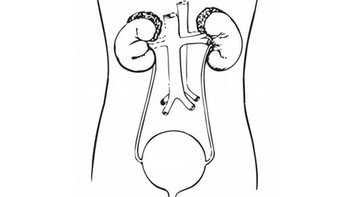
In an interview with Targeted Oncology, Chung-Han (Joe) Lee, MD, PhD, discussed the use of different targeted therapy and immunotherapy strategies for the treatment of patients with metastatic kidney cancer.

Following a long history with minimal advances, neoadjuvant therapy provides hope on future avenues to further explore in order to continue improving outcomes for patients with pancreatic cancer.
Patients of color who were diagnosed with lung cancer were associated with worse outcomes compared with Caucasian patients, according to findings from the 3rd Annual “State of Lung Cancer” Report by the American Lung Association.
In an interview with Targeted Oncology, Nilanjan Ghosh, MD, discussed the current challenges in using CAR T-cell therapy as treatment of patients with DLBCL and considers the next steps for this research.
In an interview with Targeted Oncology, Sarki Abdulkadir, MD, PhD, discussed the emerging role of the MYC protein as a target for the treatment of patients with prostate cancer.
The primary end point of overall survival with tislelizumab compared with docetaxel as the second- or third-line treatment of patients with locally advanced or metastatic non–small cell lung cancer who progressed on previous platinum-based chemotherapy.
In an interview with Targeted Oncology, Alexander Spira, MD, PhD, discussed the role of identifying biomarkers in patients with lung cancer based on the vast amount of data and significant number of approved therapies available for biomarker-driven disease.
The Access to Comprehensive Genomic Profiling Coalition has been formed by 7 leading diagnostic companies and laboratory providers across the United States to advocate for appropriate broad health insurance coverage of comprehensive genomic profiling for patients with advanced-stage cancer.
The FDA will not complete its review of the Biologics License Application for lisocabtagene maraleucel for the treatment of patients with relapsed/refractory large B-cell lymphoma after 2 prior lines of therapy by the Prescription Drug User Fee Act action date of November 16, 2020.
New data showed the Helio Liver Test demonstrated high accuracy and screening value of this cell-free DNA methylation blood-based assay for the detection of hepatocellular carcinoma.
A review of the trending news in oncology online for the week of November 13, 2020, including recent news from the FDA on the cancer treatment paradigm, updates in oncology, and the latest information regarding COVID-19.
In an interview with Targeted Oncology, John L. Marshall, MD, provided an overview of the evolution of treatments for patients with pancreatic cancer, as well as the current therapeutic approaches for these patients and what’s next for this treatment paradigm.
Regulatory applications have been submitted to the FDA and European Medicines Agency seeking approval of a subcutaneous form of daratumumab in combination with pomalidomide and dexamethasone as treatment of patients with relapsed or refractory multiple myeloma who have received at least 1 previous therapy.

The combination of ipilimumab with nivolumab induced an objective response rate of 12% as treatment of patients with thyroid cancer.
Three efficacy end points met pre-specified statistical significance in the phase 2 FIGHT study of bemarituzumab plus modified FOLFOX6 in patients with FGFR2b-positive non-HER2-positive frontline advanced gastric or gastroesophageal junction cancer.
In an interview with Targeted Oncology, Anant Ramaswamy, MD, discussed the findings from the phase 2 study of capecitabine plus irinotecan compared with irinotecan alone as treatment of patients with advanced gallbladder cancer.
A phase 3 study was initiated for a head-to-head comparison of trastuzumab deruxtecan versus T-DM1 as adjuvant treatment of a subset of patients with HER2-positive early breast cancer.