Articles by Andrew J. Roth

The FDA has approved the VEGFR-2 inhibitor ramucirumab (Cyramza) in combination with docetaxel for the treatment of patients with metastatic non-small cell lung cancer (NSCLC) whose tumor has progressed during or following treatment with platinum-based chemotherapy.

Treatment with nilotinib (Tasigna) in combination with chemotherapy elicited complete hematological remissions (CHR) in 87% of elderly patients with newly diagnosed Philadelphia-positive acute lymphoblastic leukemia (Ph+ ALL).

Treatment with the PD-1 inhibitor pembrolizumab (Keytruda) elicited responses in 66% of patients with classical Hodgkin lymphoma (cHL).

As its CAR T cell and high-affinity TCR products continue to advance in clinical trials, Juno Therapeutics, Inc, filed a registration statement for an initial public offering (IPO) of its common stock on November 17.

The investigational chimeric antigen receptor (CAR) therapy CTL019 elicited complete remissions in 27 of 30 pediatric and adult patients (90%) with relapsed/refractory acute lymphoblastic leukemia (ALL) in 2 pilot trials.

The FDA has expanded the approval of Lymphoseek (technetium Tc 99m tilmanocept) injection to include sentinel lymph node (SLN) detection for breast cancer and melanoma as well as lymphatic mapping in solid tumors.

To gain further insight into AR-V7 and resistance to AR-targeting agents, Targeted Oncology interviewed the lead author, Emmanuel S. Antonarakis, MBBCh, an assistant professor at Johns Hopkins Medicine.

To gain further insight into the expanded approval of this agent, Targeted Oncology interviewed Tomasz M. Beer, MD, a co-principal investigator on the PREVAIL trial.

Timing of metastatic development, lymph node involvement, and type of disease all factor into the overall survival (OS) rate of patients with stage IV NSCLC, and could offer a potential risk stratification scheme for ablative therapy.

Radiotherapy is equally as effective in the palliation of dysphagia (difficulty swallowing) as chemoradiotherapy for patients with advanced esophageal cancer.

Last week, the FDA approved pembrolizumab (Keytruda) for the treatment of patients with advanced or unresectable melanoma following progression on prior therapies.

Advaxis and Merck have entered into a clinical trial collaboration agreement to evaluate the combination of two novel immunotherapies for the treatment of patients with metastatic castration-resistant prostate cancer.

The favorable safety profile of T-DM1 (ado-trastuzumab emtansine; Kadcyla) makes it apt to be looked at in other settings of breast cancer, according to a large study published in the Journal of Clinical Oncology.

A phase III trial analyzing sorafenib for the treatment of patients with advanced breast cancer did not meet its primary endpoint of improving progression-free survival (PFS).
The FDA has approved the novel pan-HDAC inhibitor belinostat for the treatment of patients with relapsed or refractory peripheral T-cell lymphoma.

The FDA has granted a breakthrough therapy designation to blinatumomab for the treatment of adult patients with Philadelphia-negative relapsed/refractory B-precursor acute lymphoblastic leukemia (ALL).
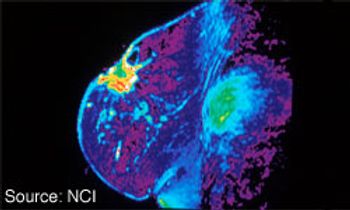
The FDA has approved gadobutrol (Gadavist) injection for intravenous use with breast MRI to detect and identify the extent of disease.
The FDA has approved the radioactive diagnostic imaging agent Lymphoseek injection to guide sentinel lymph node biopsy in patients with cancer of the head and neck.

A novel immunotherapeutic known as IMCgp100 induced clinical responses with manageable toxicity in patients with advanced melanoma.

PD-L1 levels adequately predict response and clinical outcomes for PD-1 inhibitor MK-3475 in patients with non-small cell lung cancer (NSCLC) and melanoma.

An exceptional responder with advanced urothelial carcinoma experienced a complete radiologic response lasting 13.8 months following treatment with the combination of everolimus (Afinitor) and pazopanib (Votrient).

Our weekly web roundup featuring articles and blog posts from MSKCC, UCLA’s Jonsson Comprehensive Cancer Center, Johns Hopkins Medicine, and the University of Colorado Cancer Center.

The FDA approved an update to the product labeling for dasatinib (Sprycel), Bristol-Myers Squibb Company and Otsuka America Pharmaceutical announced on June 20.

In advance of the 2013 ASCO Annual Meeting, Targeted Healthcare spoke with Mike Thompson, MD, PhD, about the use of social media in the field of oncology.

Data from the French National Cancer Institute showed an increase in testing for BRCA1/2 for breast and ovarian cancer, though not for the MMR mutation for Lynch syndrome.

Crizotinib demonstrated superiority to chemotherapy for the treatment of previously treated, advanced non-small cell lung cancer (NSCLC) with ALK rearrangement in a trial published online by The New England Journal of Medicine.

The phase III JAKARTA trial of SAR302503 for myelofibrosis met its primary endpoint in both dose groups, as reported by Sanofi.