
A new study reveals that common chronic medications do not impact the effectiveness of immune checkpoint inhibitors in metastatic lung cancer treatment.
Andrea Eleazar, MHS is an assistant editor for Targeted Oncology, covering leukemias/lymphomas and topics in public health, health policy, & oncology practice.
Andrea holds a Master of Health Science in Epidemiology from the Johns Hopkins Bloomberg School of Public Health, as well as a BS in Public Health and certificate in Writing & Publishing from Drexel University.
Contact: aeleazar@targetedonc.com
A new study reveals that common chronic medications do not impact the effectiveness of immune checkpoint inhibitors in metastatic lung cancer treatment.

A new study reveals FOLFIRINOX chemotherapy is feasible for select elderly patients with pancreatic cancer, highlighting safety and survival outcomes.

A phase 2 trial reveals elraglusib shows potential benefits in select patients with recurrent salivary gland carcinomas despite missing primary response goals.

New trial results reveal nivolumab plus relatlimab fails to improve recurrence-free survival in resected stage III-IV melanoma, prompting further research.

Duvelisib is now a recommended treatment for cutaneous T-cell lymphoma, highlighting its evolving role in oncology amidst safety concerns.
The FDA fast-tracks BGB-B2033, a promising bispecific antibody, for advanced hepatocellular carcinoma, enhancing treatment options for patients.
Pelareorep shows promising results in treating KRAS-mutant metastatic colorectal cancer, achieving a 33% response rate and improved survival outcomes.

Orca-T immunotherapy shows promising results in improving survival and reducing complications in patients with hematologic malignancies compared to traditional treatments.
FDA fast-tracks muzastotug and pembrolizumab for metastatic colorectal cancer, showcasing promising efficacy and safety in early studies.
FDA grants a priority voucher for Tec-Dara, showcasing significant survival benefits in relapsed/refractory multiple myeloma, enhancing treatment options.

Inaregacestat shows promising results in treating desmoid tumors, significantly improving progression-free survival and reducing tumor volume in recent trials.

New data from the TRIFOUR trial show that nadunolimab plus chemotherapy offers no significant survival benefit in metastatic triple-negative breast cancer.

New research shows less invasive surgical options for breast cancer staging are as effective as traditional methods, enhancing patient quality of life.
Aromatase inhibitors enhance disease-free survival in HR+/HER2+ early breast cancer, outperforming SERMs without compromising overall survival, according to ALTTO trial findings.

MaaT013 shows promising efficacy and safety in treating refractory GI-aGVHD, offering hope for improved survival in patients.
Cevostamab shows promising efficacy and manageable safety in treating relapsed/refractory multiple myeloma, offering a convenient subcutaneous administration option.
A recent study reveals high rates of metastatic recurrence in adolescent and young adult cancer patients, emphasizing the need for tailored survivorship care.
Recent study results highlight the critical impact of comorbidities on survival rates among patients with melanoma, emphasizing the need for integrated cancer care strategies.
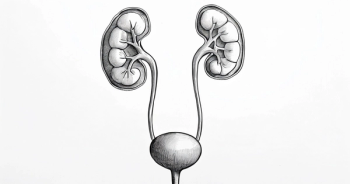
TARA-002 shows promising efficacy and safety in treating BCG-naive non-muscle invasive bladder cancer, with high response rates and durability.

New phase 2 trial results reveal safusidenib's potential to significantly improve outcomes for patients with IDH1-mutant gliomas, offering hope for durable responses.
New trial data reveals IGV-001 enhances overall survival in glioblastoma patients, marking a potential breakthrough in treatment options.
The FDA fast-tracks zotiraciclib for recurrent high-grade gliomas, offering hope for patients with IDH mutations and expanding treatment options.
Naxitamab combined with GM-CSF shows promising results in treating high-risk neuroblastoma, achieving high response rates and manageable safety profiles.
In a recent phase 2 trial, TQB2102 showed promising antitumor activity and safety as a neoadjuvant therapy for HER2-positive breast cancer.
CLN-049 gains FDA fast track designation, offering hope for patients with relapsed/refractory AML through innovative immunotherapy solutions.
Recent study results confirm that the venetoclax and obinutuzumab combination is a cost-effective treatment for patients with chronic lymphocytic leukemia in Canada.
New trial results reveal ropeginterferon alfa-2b's effectiveness for essential thrombocythemia, offering hope for patients resistant to standard treatments.

FDA approves daratumumab for high-risk smoldering multiple myeloma, transforming treatment strategies and enhancing patient outcomes in early intervention.
Lifileucel shows sustained efficacy and safety in advanced melanoma, highlighting its potential as a key treatment for ICI-resistant cases.
A phase 2 study reveals high efficacy and manageable safety of venetoclax plus obinutuzumab for untreated CLL/SLL in Japanese patients.