
New research reveals comparable outcomes for STZ/5-FU and everolimus in treating advanced pancreatic neuroendocrine tumors, guiding personalized treatment strategies.
Andrea Eleazar, MHS is an assistant editor for Targeted Oncology, covering leukemias/lymphomas and topics in public health, health policy, & oncology practice.
Andrea holds a Master of Health Science in Epidemiology from the Johns Hopkins Bloomberg School of Public Health, as well as a BS in Public Health and certificate in Writing & Publishing from Drexel University.
Contact: aeleazar@targetedonc.com
New research reveals comparable outcomes for STZ/5-FU and everolimus in treating advanced pancreatic neuroendocrine tumors, guiding personalized treatment strategies.
FDA approves Guardant360 CDx for identifying BRAF V600E-mutant colorectal cancer patients, enhancing precision therapy with encorafenib and cetuximab.

Combination therapies using PD-1/PD-L1 inhibitors enhance survival rates in relapsed/refractory acute lymphoblastic leukemia without added toxicity.
A new study reveals that combining ianalumab with ibrutinib offers promising results for chronic lymphocytic leukemia, enabling some patients to stop therapy.
Zenocutuzumab shows promising efficacy in advanced NRG1+ pancreatic and cholangiocarcinoma, offering hope for patients after disease progression.
New trial data reveals promising results for pelareorep and atezolizumab in treating advanced anal cancer, significantly improving response rates and duration.
New research highlights amivantamab's potential in enhancing treatment outcomes for RAS/BRAF wild-type metastatic colorectal cancer, addressing resistance to standard therapies.
Investigational therapy [212Pb]VMT-α-NET shows promising antitumor activity in advanced neuroendocrine tumors, with ongoing trials and favorable safety profile.
The FDA designates ICT01 as a breakthrough therapy for unfit AML patients, showcasing promising efficacy in early clinical trials.
New research reveals that ropeginterferon alfa-2b offers no significant benefits over observation after TKI cessation in chronic myeloid leukemia patients.
New data reveals that elraglusib combined with chemotherapy significantly improves survival rates in metastatic pancreatic cancer patients, offering hope for better outcomes.

Explore how community oncology reduces financial toxicity in cancer care, highlighting cost savings and quality benefits over hospital-based systems.
The FDA denies accelerated approval for tabelecleucel, highlighting ongoing challenges in treating EBV-positive posttransplant lymphoproliferative disease.
A novel oral fascin inhibitor, NP-G2-044, shows promise in treating pancreatic cancer, earning FDA orphan drug designation for innovative therapies.
New research highlights the benefits of physical activity, particularly walking, in reducing cancer-related fatigue and enhancing quality of life for colorectal cancer survivors.
The FDA designates ARB1002 as an orphan drug, highlighting its potential as a novel treatment for pancreatic cancer amid limited options.
The FDA designates zoldonrasib as a breakthrough therapy for KRAS G12D-mutated lung cancer, highlighting its promising efficacy and safety profile.
The FDA clears KLN-1010, a groundbreaking in vivo gene therapy for relapsed multiple myeloma, enhancing CAR-T treatment accessibility and efficacy.
ETX-19477 receives FDA fast track designation, promising accelerated development for treating BRCA-mutated, platinum-resistant ovarian cancer patients.
CPI-008 receives orphan drug designation, enhancing surgical imaging for pancreatic cancer and promising improved outcomes in challenging surgeries.

A new trial explores the effectiveness of calderasib combined with pembrolizumab for advanced lung cancer patients with the KRAS G12C mutation.
A recent study reveals CAR T-cell therapy patients in Europe experience quality of life comparable to the general population, yet face ongoing physical and mental challenges.
CK0804, a novel Treg therapy, gains FDA orphan drug status for myelofibrosis, promising new hope for patients with limited treatment options.
A new drug application for rusfertide aims to transform polycythemia vera treatment, reducing phlebotomy needs and improving patient outcomes.

A novel antibody combination shows promising results in treating recurrent ovarian cancer, offering hope for better immunotherapy options.

Patients with Waldenström macroglobulinemia experience comparable outcomes when switching from ibrutinib to zanubrutinib, with improved safety profiles.
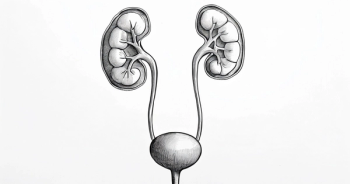
A recent study reveals comparable outcomes for radical cystectomy and bladder-sparing therapy in treating recurrent high-grade bladder cancer, emphasizing patient-centered care.

Discover groundbreaking advancements in glioblastoma treatment, including FDA approvals and innovative therapies reshaping neuro-oncology in 2025.

Discover the latest breakthroughs in multiple myeloma treatment, including CAR T-cell therapies and promising new options for relapsed patients.

Melanoma treatment advances with lifileucel's promising efficacy, regulatory updates, and innovative therapies, shaping a hopeful landscape for patients.