Commentary|Videos|February 18, 2026
The Evolution of Cancer Care: Prioritizing Quality of Life in Recovery
Author(s)Rebecca Siegel, MPH, Marleen I. Meyers, MD
Fact checked by: Sabrina Serani
Cancer survival reaches 70% at 5 years, as targeted and immunotherapies boost outcomes and shift care toward survivorship and long-term quality of life.
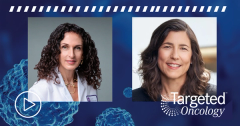
Rebecca Siegel, MPH, cancer epidemiologist and senior scientific director of surveillance research at the American Cancer Society (ACS), and Marleen Meyers, MD, breast medical oncologist and director of the Cancer Survivorship Program at NYU Langone’s Perlmutter Cancer Center, discuss their key takeaways from the 2026 ACS cancer statistics report.
The landscape of oncology has undergone a radical transformation over the last three decades, shifting from a desperate struggle for survival to a nuanced focus on long-term wellness. we have reached a pivotal milestone where 70% of individuals diagnosed with cancer are now reaching the 5-year survival mark. This significant achievement is not a matter of chance but is the direct result of 30 years of relentless medical progress. Specifically, the development and implementation of targeted treatments and immunotherapies have been the primary drivers of these improved outcomes.
The statistical gains across various types of cancer are described as "extraordinary.” Once considered a highly fatal condition, the survival rate for multiple myeloma has effectively doubled. Patients diagnosed at the regional stage of lung cancer—another historically fatal diagnosis—have also seen their survival rates double.
These "real" improvements are a testament to the efficacy of modern medical interventions. The sheer volume of gains across so many different cancer types represents a fundamental shift in what is possible for patients today.
Perhaps the most profound change discussed is the psychological and clinical shift in how doctors approach treatment. In the earlier days of oncology, the concept of survivorship was virtually nonexistent because long-term survivors were rare. The primary, and often only, goal was to help patients survive the rigors of treatment itself.
Today, the trajectory has changed because clinicians now overwhelmingly expect patients to survive. This shift in expectation necessitates a new way of thinking that focuses on two core pillars:
- Increasing the total number of survivors even further.
- Ensuring the best possible quality of life for those survivors.
Because patients are now looking toward a future where they may live 20 to 50 years beyond their diagnosis, the medical community's tolerance for debilitating adverse effects has reached a breaking point. Meyers asserts that it is no longer acceptable for survival to come at the cost of permanent, life-altering conditions. Specifically, the industry is moving away from accepting the following as "inevitable" trade-offs:
- Infertility
- Neuropathy
- Cardiovascular disease
The focus has officially moved from just "getting through" to ensuring that the life saved is one that can be lived fully and healthily.
Newsletter
SubscribeRelated Content
Advertisement