Commentary|Videos|April 22, 2026
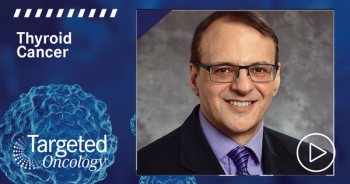
Saba Provides an Overview of Updated Thyroid Guidelines
Author(s)Nabil Saba, MD
Fact checked by: Tony Berberabe, MPH
ASCO's updated thyroid cancer guidelines help clinicians navigate rapidly evolving systemic therapies, from VEGF inhibitors to BRAF-targeted agents.
Thyroid cancer management has undergone rapid transformation over the past decade, particularly in the realm of systemic therapy. While surgical resection and radioiodine therapy have long formed the backbone of treatment, systemic agents have emerged more recently as critical tools in the oncologist's arsenal.
The evolution began with VEGF tyrosine kinase inhibitors, which demonstrated significant improvements in progression-free survival. Since then, the discovery of genomically targetable alterations has accelerated progress considerably. Notably, NTRK alterations have become actionable targets, and BRAF — long recognized as a driver in thyroid cancer — is now being targeted more aggressively. In anaplastic thyroid cancer, BRAF-directed therapy has dramatically altered the standard of care for patients who historically had very limited options.
With the treatment landscape expanding so quickly, ASCO recognized the need for a comprehensive, evidence-based guideline to help clinicians navigate these advances. The guidelines are designed to address key questions: Which treatments should be prioritized? How should these agents be sequenced and used? These questions are especially pressing for general practitioners and community oncologists who may not frequently encounter thyroid cancer patients and may be less familiar with the growing body of evidence.
The guideline development process was rigorous and methodical, involving months of careful reference selection and study prioritization before publication. The goal was to establish a clear baseline of understanding for how these newer systemic agents should be applied in clinical practice.
Ultimately, the updated ASCO guidelines serve a dual purpose: equipping the broader oncology community with practical, evidence-based guidance while also advancing the quality of care available to patients with thyroid cancer.
Related Content
Advertisement