Commentary|Videos|April 8, 2026
Expanding Access to TIL Therapy via Reduced-Intensity Conditioning
Author(s)Lilit Karapetyan, MD
Fact checked by: Jonah Feldman
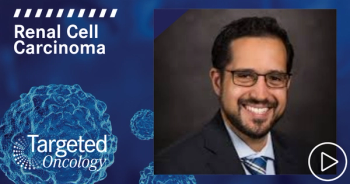
Lilit Karapetyan, MD, MS, discusses a single-center trial of reduced-intensity conditioning before tumor-infiltrating lymphocyte therapy in melanoma.
Lilit Karapetyan, MD, MS of the Moffitt Cancer Center discusses a pivotal shift in the administration of tumor-infiltrating lymphocyte (TIL) therapy for patients with advanced melanoma. Based on clinical trial experience, TIL therapy has been preferred for more fit patients due to the requirement of a lymphodepletion process. The conditioning regimen requires high-dose cyclophosphamide and fludarabine, with a cyclophosphamide dose exceeding those typically used with chimeric antigen receptor T-cell therapy. The intensity of this treatment often leads to severe adverse events, effectively barring older or more medically fragile individuals from receiving potentially life-saving care.
The Rationale for Dose Reduction
With the formal approval of TIL therapy, the clinical priority has shifted toward expanding access to a broader patient population. Karapetyan emphasizes the importance of including frail patients, specifically those over the age of 70 or those with complex comorbidities. These high-risk factors often include treated brain metastases, bowel metastases at a risk of bleeding, and cardiovascular issues that would prevent the safe use of high-dose chemotherapy.
Encouraging Clinical Outcomes
To accommodate these patients, the team at Moffitt implemented a reduced-intensity conditioning regimen. By lowering the dosage of cyclophosphamide, clinicians were able to treat a higher-risk cohort that would have previously been ineligible. Despite the increased frailty of the participants and a relatively short follow-up period, the clinical response was favorable, with an objective response rate of approximately 44%, a figure Dr. Karapetyan describes as “truly encouraging.”
Future Directions in TIL Regimens
The success of this approach suggests that the extreme toxicity of traditional high-dose conditioning may not be a prerequisite for therapeutic efficacy. Karapetyan concludes that these data support the continued development of modified chemotherapy doses and she feels confident offering it to other patients with the same needs. Moving forward, the goal is to follow these patients long-term to confirm the duration of response and establish reduced-intensity conditioning as a standard, more suitable regimen for a difficult-to-treat patient population in the field of cellular immunotherapy.
Related Content
Advertisement