


Melanoma
Latest News
Video Series

Latest Videos




Shorts
1:30
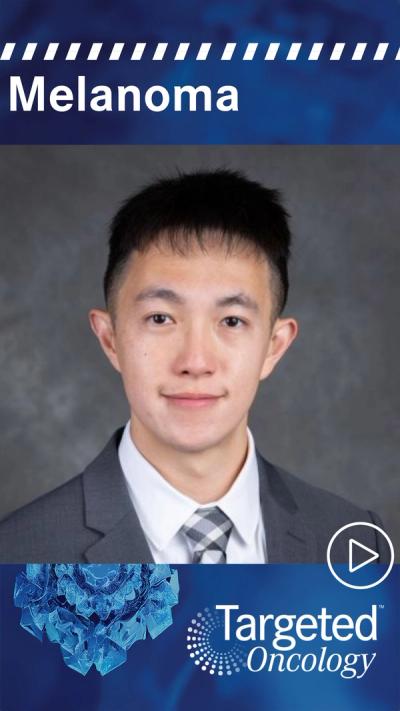
Predicting Melanoma Treatment Success After 3-4 Weeks
2 months ago
by
Vincent Ma, MD
Podcasts

CME Content





























More News

mRNA-4359 demonstrated high response rates and antigen-specific T-cell activation in a small cohort of previously untreated patients.
Gut microbiome bacteria are linked to risk of recurrence after treatment with immunotherapy for resectable melanoma.
NST-628 Shows Early Promise in NRAS/BRAF+ Melanoma, Other Solid Tumors
Published: | Updated:
A brain-penetrant pan-RAF/MEK molecular glue demonstrated a 38% response rate in a heavily pretreated melanoma population that currently has no approved targeted therapies.

Darovasertib-Crizotinib Improves PFS in Metastatic Uveal Melanoma
Published: | Updated:
Oral darovasertib plus crizotinib doubled PFS and boosts responses in first-line HLA-A*02:01–negative metastatic uveal melanoma; FDA submission process is underway.
The FDA did not grant accelerated approval to the oncolytic virus-based therapy RP1 in combination with nivolumab for patients with advanced melanoma.
Results of a single-center study showed positive outcomes of reduced-intensity conditioning for tumor-infiltrating lymphocytes in melanoma.
A 31-gene expression profile–based sentinel lymph node biopsy risk model, i31-SLNB, demonstrated a role in predicting lymph node positivity in T1b to T2a melanoma.

During a live event, Daniel Olson, MD, reviewed a patient case of recurrent melanoma with brain metastases and addressed treatment options.

In an interview, Vincent Ma, MD, discussed how ctDNA levels after the first cycle of immune checkpoint inhibitor in melanoma could shed light on clinical outcomes.

Adding nivolumab/ipilimumab to liver-directed melphalan improved outcomes in patients with metastatic uveal melanoma.
Experts discuss the SWOG S1512 trial of desmoplastic melanoma and the greater relevance of trials of immunotherapy in rare disease states.

During a live event, Daniel Olson, MD, discussed data and experience using tumor-infiltrating lymphocytes in melanoma.
The NCCN guidelines now include the Merlin CP-GEP assay as part of shared decision-making for a sentinel lymph node biopsy in patients with melanoma.
Circulating tumor DNA showed potential as a dynamic biomarker in assessing response to immune checkpoint inhibitors in melanoma.

A retrospective study of tumor-infiltrating lymphocyte therapy showed that despite its benefit, many patients were unable to receive lifileucel.
Real-world data show over an 40% response rate for lifileucel TIL therapy, indicating that those treated earlier did better and fewer doses of IL-2 could be used effectively.

The FDA granted orphan drug designation to IFx-2.0, an injection designed to enhance immune response, in cutaneous melanoma.
Neoadjuvant pembrolizumab showed promising high response rates and melanoma-specific survival outcomes in desmoplastic melanoma.
The FDA gave clearance to the IND for a randomized trial of the DNA vaccine iSCIB1+ based on positive single-arm data in combination with dual checkpoint inhibitors.
An mRNA neoantigen therapy maintained long-term recurrence-free survival as an adjuvant for melanoma, compared with pembrolizumab alone.
During a live event, Omid Hamid, MD, discussed the logistics and multidisciplinary process of using tumor-infiltrating lymphocytes in patients with melanoma.
A retrospective study of patients treated with an alternate dose schedule of ipilimumab plus nivolumab in advanced melanoma found improvements in both tolerability and efficacy.

A recent analysis highlights the efficacy of melphalan/HDS for metastatic uveal melanoma, showing improved outcomes in patients with lower hepatic tumor burden.
Melanoma treatment advances with lifileucel's promising efficacy, regulatory updates, and innovative therapies, shaping a hopeful landscape for patients.
New trial results reveal nivolumab plus relatlimab fails to improve recurrence-free survival in resected stage III-IV melanoma, prompting further research.