

GYNECOLOGIC CANCERS
Latest News
Latest Videos





CME Content





























More News
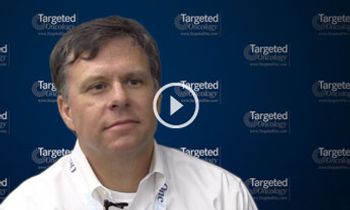
Brian Burgess, DO, PhD, a first-year fellow at the University of Kentucky, discusses the biggest challenge with targeted therapies in ovarian cancer. PARP resistance has become a huge barrier in this treatment paradigm.
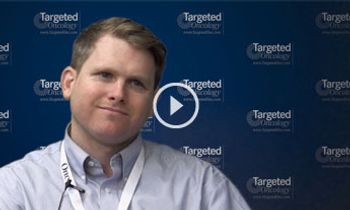
Casey Cosgrove, MD, a fellow at the Ohio State Comprehensive Cancer Center, discussed a pilot trial that screened patients with endometrial cancers for Lynch syndrome.The potential impact of this study could lead to the prevention of endometrial, ovarian, and colorectal cancers in the future, Cosgrove said.
Mario M. Leitao, Jr, MD, FACOG, FACS, program director of Gynecologic Oncology at Memorial Sloan Kettering Cancer Center, discusses what is currently being investigated in the treatment landscape of ovarian cancers.

Amanda Ramos, MD, a first-year fellow at the Massachusetts General Hospital in Boston, discusses the future potential of checkpoint inhibition therapy in the treatment of patients with recurrent endometrial cancers.

According to top-line results from the QUADRA study, niraparib met the primary endpoint of overall response as a fourth-line or later treatment in patients with ovarian cancer, regardless of <em>BRCA</em> status.
Olaparib tablets have been approved been the European Commission as a maintenance therapy for patients with platinum-sensitive relapsed high-grade, epithelial ovarian, fallopian tube or primary peritoneal cancer, who are in a complete or partial response to platinum-based chemotherapy, regardless of <em>BRCA</em> status.

Results of an interim analysis from a small phase I trial presented at the 2018 American Society of Pediatric Hematology/Oncology Conference showed that CAR T-cell therapy can induce next generation sequencing negativity in patients with relapsed/refractory acute lymphoblastic leukemia, suggesting a “synergistic” relationship with hematopoietic cell transplant that could enhance patient outcomes.

Kathleen Essel, MD, a fellow at University of Oklahoma Health Science Center, discusses the findings from a recent trial investigating the safety of long-term treatment with bevacizumab in patients with ovarian cancer.

The FDA approved several indications throughout the month of April 2018. A number of drugs were granted priority review and Fast Track designation. The FDA also halted all clinical trials using tazemetostat as treatment, and new initiatives were introduced to help ease the development of genetic and genomic-based tests. Check out our list of all FDA happenings from April 2018.





A Case of Recurrent Ovarian Cancer



A Case of Advanced Serous Ovarian Cancer