Articles by Virginia Powers, PhD

Treatment with pembrolizumab, an immunotherapeutic agent approved in melanoma, lung, and head and neck cancer, and which is undergoing investigation in several other cancer types, reduced the size of tumors in patients with a specific soft tissue sarcoma.
Adjuvant chemotherapy was found to decrease the rates of local recurrence in some subtypes of extremity soft tissue sarcoma; however, the use of adjuvant/neoadjuvant therapy did not impact overall survival.
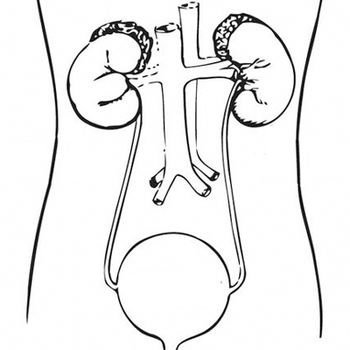
The combination of cabozantinib (Cabometyx) plus nivolumab (Opdivo) in patients with advanced/refractory genitourinary cancers demonstrated promising activity in the second-line setting and beyond at all dose levels tested.

According to an updated survival analysis of the large randomized phase III COMBI-v trial, co-inhibition of BRAF and MEK pathways with dabrafenib and trametinib continued to be superior to sole BRAF inhibition with vemurafenib in patients with unresectable metastatic melanoma at 3 years.
Early results from a pre-planned interim analysis in the KEYNOTE-052 phase II trial of first-line pembrolizumab in cisplatin-ineligible patients with metastatic urothelial cancer demonstrated antitumor activity.
According to phase I data presented at the 2016 ESMO Congress, a novel HER2-targeting antibody-drug conjugate showed promising antitumor activity across multiple tumor types, including HER2-postive breast cancer.
Safety, efficacy, and biomarker results from the phase II CheckMate-275 trial of the PD-1 inhibitor nivolumab (Opdivo) that support FDA and European Medicines Agency (EMA) applications were reported at the 2016 ESMO Congress.

The oral multikinase inhibitor regorafenib (Stivarga) has the potential to become the standard of care as second-line treatment in patients with previously treated hepatocellular carcinoma (HCC) who are unsuitable for loco-regional therapy and have progressed on sorafenib.

Combined inhibition of the PD-L1/PD-1 axis with atezolizumab (Tecentriq) and the MEK pathway with cobimetinib (Cotellic) showed promising clinical activity and a good safety profile in heavily pretreated patients with microsatellite stable (MSS) metastatic colorectal cancer (mCRC), according to findings from a phase 1b study presented at the 2016 World Congress on Gastrointestinal Cancer.
MABp1 (Xilonix), a novel anti–interleukin 1-alpha (IL-1α) antibody, was safe and well tolerated, and demonstrated a significant impact on symptoms, compared with placebo, for patients with advanced colorectal cancer (CRC), according to findings from a phase III study presented at the 2016 World Congress of Gastrointestinal Cancer.
IMAB362, a novel chimeric IgG1 backbone antibody highly specific for CLDN18.2, extended median overall survival by 4.8 months when added to standard chemotherapy in patients with advanced gastric cancer.
Adding selective internal radiation therapy with SIR-Spheres Y-90 resin microspheres to standard first-line chemotherapy significantly increased hepatic depth of response in patients with metastatic colorectal cancer.
The addition of cetuximab (Erbitux) to standard FOLFOX-4 chemotherapy in the first-line treatment of patients with RAS wild-type metastatic colorectal cancer (mCRC) significantly improved survival outcomes in a phase III clinical trial that builds upon the regimen's efficacy, particularly for Asian patients, and may help pave the way for its approval in China.
A study of nivolumab (Opdivo) in patients with squamous cell carcinoma of the anal canal (SCCA), which recently presented findings at the 2016 World Congress on Gastrointestinal (GI) Cancer, is the first prospective trial to examine immunotherapy agents in the treatment of SCCA.

Patients with non-small cell lung cancer (NSCLC) who had ceased to respond to EGFR TKI therapy demonstrated a rapid and robust response to the investigational agent BI-1482694 (HM61713).
The treatment paradigm for renal cell carcinoma (RCC) could undergo major changes in the future due to several novel therapies in the works for regulatory approval and checkpoint inhibitors, vaccines, recombinant T-cell receptors, and bi-specific T-cell engagers.

Several recent trials have shown that a combination of docetaxel in conjunction with androgen deprivation therapy (ADT) is optimal in treating oligometastatic prostate cancer.

Bladder cancer may soon catch up to other areas of oncology in terms of an influx of immunotherapies, according to Thomas Powles, MD.

Frontline combination treatment with erlotinib and bevacizumab demonstrated high efficacy in patients with advanced non-small cell lung cancer who harbored an EGFR T790M mutation.

Significantly improved emesis control was seen when fosaprepitant was added to an antiemetic regimen compared with standard care, in women receiving radiotherapy and cisplatin for cervical cancer.

Inhibition of PD-L1 with atezolizumab (MPDL3280A) showed crucial clinical efficacy as monotherapy for the treatment of patients with advanced non-small cell lung cancer (NSCLC).

Patients with advanced lung and gastrointestinal neuroendocrine tumors had a 52% reduction in risk of progression or death with everolimus compared with placebo.

New agents that focus on the duplication of HCV are poised to majorly impact the prevention and recurrence of HCC, as well as show the ability to reverse liver fibrosis and cirrhosis in the treatment of patients with end-stage HCC.

Results of a large expanded access program, presented at the 2015 World Congress on GI Cancer, confirmed the efficiency and safety of regorafenib (Stivarga) in previously treated patients with mCRC.

Josep Tabernero, MD, PhD, gave a synopsis, in a talk at the 2015 World Congress on GI Cancer, of novel agents that are under examination for the treatment of patients with gastric cancer.

Infusions of CTL019, a CAR-modified T-cell therapy against CD19, achieved durable responses and showed an acceptable safety profile in heavily pretreated patients with CD19-positive DLBCL, MCL, and FL.

A head-to-head comparison of cetuximab and bevacizumab showed equivalence for chemotherapy plus either agent in terms of OS, PFS, and response rates for patients with certain previously untreated mCRC.
Palliative care involving initial treatment with surgical resection of the primary tumor followed by systemic treatment yielded a 4.7-month OS benefit in patients with mCRC compared with the same treatments administered in the reverse order.
Two active maintenance regimens following disease stabilization with standard induction therapy demonstrated superior disease-free outcomes compared with no treatment in patients with metastatic colorectal cancer (mCRC).

A geographic analysis of trial results supporting the use of ramucirumab in gastric cancer showed that patients in the U.S. and other Western nations experienced similar survival gains as did their counterparts in two other regions of the world.