
An oral treatment combination of ixazomib, lenalidomide, and dexamethasone showed a 5.9-month improvement in progression-free survival in comparison to lenalidomide and dexamethasone alone for relapsed/refractory multiple myeloma.
An oral treatment combination of ixazomib, lenalidomide, and dexamethasone showed a 5.9-month improvement in progression-free survival in comparison to lenalidomide and dexamethasone alone for relapsed/refractory multiple myeloma.
A combination of capecitabine and adjuvant therapy dropped the risk of recurrence by 30% and prolonged survival by 40% for patients with residual breast cancer post-neoadjuvant chemotherapy and surgery, according to phase III data.

Blinatumomab (Blincyto) as a single agent showed high complete remission (CR), or CR with partial hematological recovery, in adult patients with Philadelphia chromosome-positive and -negative B-cell precursor acute lymphoblastic leukemia.
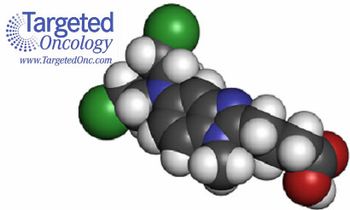
A rapid infusion formulation of bendamustine (Bendeka) has received FDA approval for the treatment of patients with CLL or indolent B-cell NHL that has progressed during or within 6 months of treatment with rituximab or a rituximab-containing regimen.

Two CD19-targeted chimeric antigen receptor (CAR)-modified T-cell therapies showed complete response (CR) rates from 90% to 100% in patients with high-risk acute lymphoblastic leukemia (ALL), according to data from two studies presented during the 2015 ASH Annual Meeting.

Updated data shows chimeric antigen receptor (CAR)-modified T-cell therapies continue to remain effective for patients with non-Hodgkin lymphoma (NHL), according to findings presented at the 2015 ASH Annual Meeting.

Data from a phase III trial shows adding idelalisib to bendamustine and rituximab (BR) dropped the risk of progression and/or death by 67% when compared to BR alone in patients with relapsed/refractory chronic lymphocytic leukemia (CLL).
Daratumumab demonstrated a 31% overall response rate as monotherapy for patients with heavily pretreated multiple myeloma, according to a combined analysis of two pivotal studies presented at the 2015 ASH Annual Meeting.
Carfilzomib has been found to reduce the risk of progression and death by 47% in patients with relapsed multiple myeloma when compared to bortezomib, according to the the phase III ENDEAVOR trial.
The triple combination of ixazomib, cyclophosphamide, and dexamethasone, all taken orally, showed encouraging early response rates in elderly patients with newly diagnosed multiple myeloma, according to phase II data presented at the 2015 ASH Annual Meeting.

The FDA has issued a complete response letter to Bristol-Myers Squibb regarding its supplemental biologics license application for the use of single-agent nivolumab in previously untreated patients with BRAF V600 mutation-positive advanced melanoma.

Necitumumab (Portrazza) combined with gemcitabine and cisplatin has been approved by the FDA for the first-line treatment of patients with locally advanced or metastatic squamous NSCLC.

Nivolumab (Opdivo) has been approved by the FDA as a single-agent to include the frontline treatment of patients with BRAF wild-type advanced melanoma.
The FDA has approved nivolumab (Opdivo) as a treatment for patients with metastatic renal cell carcinoma following prior treatment with an anti-angiogenic therapy.
A quarter of patients with relapsed glioblastoma multiforme (GBM)-treated with the vaccine rindopepimut (Rintega) plus bevacizumab remained alive at 2 years.

A combination of dabrafenib and trametinib has been approved by the FDA for patients with unresectable or metastatic BRAF-mutated melanoma, based on an extension in overall survival (OS) from two phase III studies.
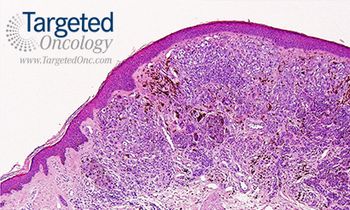
Patients receiving a combination of MEK inhibitor trametinib and BRAF inhibitor dabrafenib not only greatly improves long-term outcomes, but also lowers some adverse events associated with either standalone agent for patients with BRAF-mutated metastatic melanoma.

Avelumab has been given breakthrough therapy designation by the FDA as a possible treatment for patients with metastatic Merkel cell carcinoma (MCC) following progression on at least one prior chemotherapy regimen

The PD-1 inhibitor nivolumab (Opdivo) has gained a priority review status from the FDA as a treatment for patients with advanced renal cell carcinoma (RCC) following prior antiangiogenic therapy.
The FDA has given osimertinib (Tagrisso, AZD9291) an accelerated approval for treatment of patients with advanced EGFR T790M mutation-positive non-small cell lung cancer (NSCLC) following progression on a prior EGFR TKI.

While immune checkpoint inhibitors initially showed promise in patients with ovarian cancer, results still need to be validated by larger randomized trials.

Immune checkpoint inhibitors have emerged with encouraging results in patients with small cell lung cancer (SCLC) and mesothelioma

Monoclonal antibodies, specifically the CD3 and CD19 bispecific agent blinatumomab (Blincyto) and the CD22-targeted antibody-drug conjugate inotuzumab ozogamicin, are set to overhaul the treatment of adults with relapsed acute lymphoblastic leukemia.

Pexidartinib (formerly PLX3397) has been granted a breakthrough therapy designation by the FDA based on findings from a phase I study published in The New England Journal of Medicine.

The FDA has granted breakthrough therapy designation to Pembrolizumab (Keytruda) as a potential therapy for patients with microsatellite instability-high metastatic colorectal cancer.

The FDA has approved MM-398 in combination with 5-fluorouracil and leucovorin as a treatment for patients with metastatic pancreatic cancer.
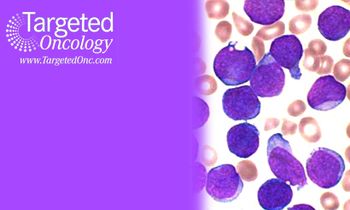
The anti-CD22 antibody-drug conjugate inotuzumab ozogamicin has been granted breakthrough therapy designation by the FDA as a potential treatment for relapsed or refractory acute lymphoblastic leukemia patients.

The CDK4/6 inhibitor abemaciclib (LY2835219) has been granted FDA breakthrough therapy designation as monotherapy for heavily pretreated patients with refractory hormone-receptor-positive advanced breast cancer.

Optune (NovoTTF-100A) in combination with adjuvant temozolomide has received FDA approval as a treatment for patients with newly diagnosed glioblastoma multiforme following surgery, chemotherapy, and radiation therapy.

Telesta Therapeutics has been granted an FDA advisory hearing to discuss the biologics license application of its MCNA immunotherapy as treatment for high-risk nonmuscle invasive bladder cancer following first-line bacillus Calmette-Guerin (BCG).