
Longer follow-up data from the KRYSTAL-7 trial support the initiation of a phase 3 trial evaluating concurrent adagrasib with pembrolizumab in treatment-naïve patients with KRASG12C-mutated non–small cell lung cancer and PD-L1 ≥50%.
Sabrina Serani is the managing editor for Targeted Oncology, covering breast, lung, and brain cancers. Contact her at sserani@targetedonc.com.
Longer follow-up data from the KRYSTAL-7 trial support the initiation of a phase 3 trial evaluating concurrent adagrasib with pembrolizumab in treatment-naïve patients with KRASG12C-mutated non–small cell lung cancer and PD-L1 ≥50%.

Findings from a 5-patient study evaluating azacitidine, venetoclax, and ruxolitinib for the treatment of myeloproliferative neoplasms shows promise. More research is warranted.

The phase 3 CheckMate -67T trial found that a subcutaneous formulation of nivolumab met its co-primary pharmacokinetic end points compared with the intravenous formulation in clear cell renal cell carcinoma.

Neoadjuvant nivolumab and chemotherapy followed by surgery and adjuvant nivolumab demonstrated improvements in event-free survival, pathologic complete response, and major pathologic response in non–small cell lung cancer.

While there was no significant difference in overall survival between the daratumumab and control groups, safety profile results and follow-up data support daratumumab’s continued evaluation in relapsed/refractory multiple myeloma.

Findings from a 3-year follow-up of the Checkmate-816 trial demonstrated promising results with nivolumab and platinum-based chemotherapy, including improvements in event-free survival.
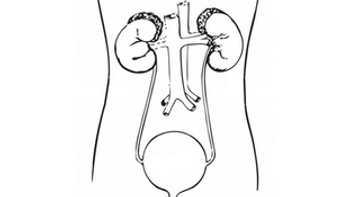
Findings from the CheckMate-901 trial demonstrated improvements for the treatment of patients with urothelial carcinoma who received a combination of nivolumab and chemotherapy followed by nivolumab monotherapy.

A trial of intratumoral daromun and surgical resection for the treatment of patients with locally advanced, fully resectable melanoma, showed a clinically meaningful improvement compared with surgery alone.

Nanrilkefusp alfa did not show sufficient efficacy as a monotherapy or in combination with anti-PD-1 treatments to warrant further development.

The tool shows promise to predict a patient’s response to dovitinib to better inform treatment options for patients with renal cell carcinoma and other solid tumors.
The FDA has accepted a supplemental new drug application and granted priority review for osimertinib with chemotherapy for the treatment of patients with locally advanced or metastatic non–small cell lung cancer.

TBI-1301 demonstrated superior efficacy compared with standard-of-care treatment in patients with synovial sarcoma. Further research is warranted.

Patients had longer median progression-free survival rates with anlotinib vs with placebo in a phase 2 trial, but overall survival data were still immature.
Researchers used split-dose busulfan, fludarabine, and post-transplant cyclophosphamide on 6 patients in a phase 2 study, and further research is warranted.

Tislelizumab met its primary end point of overall survival and exceeded that of sorafenib in patients with unresectable hepatocellular carcinoma.

In a phase 2 trial, BXCL701 and pembrolizumab showed a significant increase in median overall survival time for patients with small cell neuroendocrine prostate cancer.
Bexmarilimab shows encouraging results when combined with standard of care treatments for patients with acute myeloid leukemia and myelodysplastic syndromes.

The CXCL 12 inhibitor delivered a 50% overall survival rate at 18 months in the GLORIA trial, and its manufacturer intends to seek FDA guidance on further trial design.
The next-generation diagnostic tool is approved for companion diagnostic use with selpercatinib for select solid locally advanced and metastatic tumors.

Researchers identified different functions of groups of intraepithelial T cells (T-IELs) throughout the gastrointestinal tract, which could help inform future immunological treatment for patients with colorectal cancer.

The CAR-HEMATOTOX score was positively associated with identifying the risk of poor treatment outcomes for patients with mantle cell lymphoma treated with chimeric antigen receptor T-cell therapy.
The FDA completed its inspection of a third-party filler, and no additional data or trials have been requested for resubmission.
Investigators presented results from new studies at the 2023 ASTRO Meeting. The data showcase a new assay’s performance in predicting metastasis-free survival and distant metastasis.
The improvement in progression-free survival in the venetoclax arm of the study was not statistically significant compared to the control arm but results still trend positively.
Meeting a primary end point, KEYNOTE-123 study shows promise for pembrolizumab as an adjuvant muscle-invasive bladder cancer treatment.
The decision marks the first time the FDA has relied on a single externally controlled trial to support a potential approval in oncology.

The phase 1/2 trial is evaluating 64Cu/67Cu SAR-Bombesin for diagnosis and treatment of castrate resistant prostate cancer.
Phase 2 studies are investigating BDC-1001 in HER2-positive gastroesophageal, colorectal, breast, and endometrial cancers.

An MCGN drug combination shows potential to be more effective than standard chemotherapy alone for treatment-naïve metastatic pancreatic cancer.

Results of the phase 3 MIRASOL study evaluating mirvetuximab soravtansine for platinum-resistant ovarian cancer will be announced at an upcoming meeting.