January 2026 marks a pivotal month in oncology, with the FDA advancing numerous innovative therapies for challenging cancers, emphasizing precision medicine.
Sabrina Serani is the managing editor for Targeted Oncology, covering breast, lung, and brain cancers. Contact her at sserani@targetedonc.com.
January 2026 marks a pivotal month in oncology, with the FDA advancing numerous innovative therapies for challenging cancers, emphasizing precision medicine.

A large-scale analysis reveals novel predictors of survival and resistance mechanisms in metastatic breast cancer treated with T-DXd, enhancing patient stratification.
The FDA reviews ivonescimab for advanced lung cancer treatment, showing promising trial results and potential to enhance patient outcomes post-TKI therapy.
NCCN updates guidelines to include sacituzumab govitecan as a first-line treatment for metastatic triple-negative breast cancer, enhancing patient options.
New clinical data reveals Bria-IMT's potential to significantly extend survival in patients with heavily pretreated metastatic breast cancer, offering hope for better outcomes.

Phase 2 trial shows abemaciclib prolongs disease control in recurrent high‑grade meningioma with NF2/CDK alterations, with 58% PFS at 6 months.

A virtual collaborative care model enhances mental health support in oncology, improving patient outcomes and addressing care disparities in underserved populations.
Deb Schrag, MD, emphasizes AI's role in enhancing cancer care, addressing early-onset cancers, and improving workforce well-being as she prepares for ASCO leadership.
A groundbreaking study reveals that sacituzumab govitecan and pembrolizumab significantly enhance survival in patients with untreated metastatic triple-negative breast cancer.
The FDA reviews gedatolisib, a promising treatment for advanced breast cancer, aiming to enhance patient outcomes with innovative combination therapies.
EMA validates T-DXd and pertuzumab for first-line HER2-positive metastatic breast cancer, potentially transforming treatment standards in the EU.
A new study reveals that savolitinib and osimertinib significantly enhance survival in advanced EGFR-mutated lung cancer, outperforming traditional chemotherapy.
New research highlights the potential of nogapendekin alfa inbakicept to enhance survival in patients with advanced lung cancer resistant to standard therapies.
BioNTech's gotistobart receives FDA orphan drug designation, showing promise in improving survival for patients with squamous non–small cell lung cancer.
A groundbreaking biologics license application for ivonescimab targets advanced lung cancer, promising improved outcomes for patients with EGFR mutations.

A recent study reveals that combining mFOLFOX6 and bevacizumab with atezolizumab significantly enhances progression-free survival (PFS) in patients with metastatic colorectal cancer.
Promising interim results highlight the potential of Olvi-Vec in treating advanced lung cancer, showcasing efficacy and safety in challenging patient populations.
Sevabertinib receives breakthrough therapy designation for treating advanced HER2-mutant non-small cell lung cancer, promising new hope for patients.

New genomic insights reveal how pirtobrutinib effectively targets resistance in relapsed CLL, reshaping treatment strategies for better outcomes.
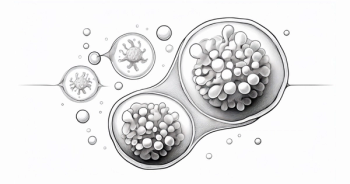
A phase 3 study shows tafasitamab combined with lenalidomide and R-CHOP significantly improves outcomes for untreated DLBCL patients.

Dena Champion leads a transformative initiative for cancer survivors, blending nutrition, community, and gardening to promote health and well-being.
Key FDA action dates in early 2026 promise to transform treatment options for solid tumors and rare hematologic malignancies, enhancing patient care.
Digital pathology revolutionizes diagnostics with AI and imaging, enhancing accuracy, speed, and personalized medicine for improved patient care.
Explore groundbreaking FDA approvals in oncology for 2025, enhancing treatment options for breast cancer, lung cancer, and rare tumors.
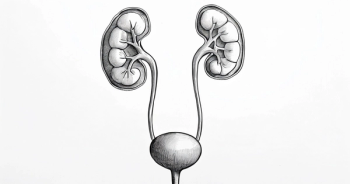
A groundbreaking bladder cancer treatment, TAR-200, offers new hope for patients failing first-line therapy, showcasing impressive response rates and ease of use.
Breakthroughs in GI cancer treatment in 2025 showcase innovative therapies, including daraxonrasib for pancreatic cancer and aspirin's role in colorectal cancer recurrence.
2025 marks a transformative year in thoracic oncology, showcasing groundbreaking FDA approvals for targeted therapies in lung cancer treatment.
Breakthroughs in breast cancer treatment in 2025 highlight FDA approvals and innovative therapies, enhancing outcomes for HR+, HER2–, and TNBC patients.