The approval of this combination is supported by data from the phase 3 CodeBreaK 300 study.
Sabrina Serani is the managing editor for Targeted Oncology, covering breast, lung, and brain cancers. Contact her at sserani@targetedonc.com.
The approval of this combination is supported by data from the phase 3 CodeBreaK 300 study.
Acalabrutinib with bendamustine and rituximab is now an FDA-approved treatment for patients with previously untreated mantle cell lymphoma.
This approval marks the first and only approved subcutaneously administered PD-1 inhibitor.

Saro H. Armenian, DO, MPH, discussed the unique challenges facing children diagnosed with cancer and their families and what lies on the horizon.
Joseph Greer, PhD, discussed a study evaluating in-person vs telehealth modalities of early integrated palliative care for patients with advanced lung cancer.
Following a complete response letter and biologics license application resubmission, the FDA has approved remestemcel-L for the treatment of pediatric patients with steroid-refractory acute graft-vs-host disease.
The approval of durvalumab, based on data from the phase 3 ADRIATIC study, offers a new standard of care for patients with limited-stage small cell lung cancer.
With this approval, zenocutuzumab is the first FDA-approved therapy for patients with NRG1 fusion tumors.
The bispecific antibody zanidatamab is now the first HER2-targeted therapy approved for patients with locally advanced or metastatic HER2-positive biliary tract cancer.

Combining the checkpoint inhibitor atezolizumab with targeted therapy led to improvements in overall survival in patients with anaplastic thyroid cancer.
Sunvozertinib has shown promising results in patients with non–small cell lung cancer with an EGFR exon 20 insertion mutation.

Bevacizumab in combination with atezolizumab and chemotherapy led to improvements in progression-free survival and duration of response in patients with advanced biliary tract cancer.

The study is evaluating AJ1-11095, a novel agent for the treatment of myelofibrosis that did not respond to or relapsed following treatment with a type I JAK2 inhibitor.

Three phase 3 trials of combinations including datopotamab deruxtecan for the treatment of non–small cell lung cancer are beginning.

The FDA recently approved the combination of inavolisib, fulvestrant, and palbociclib in this patient population.

Barbara O’Brien, MD, discussed findings and implications from the phase 2 TBCRC049 study evaluating the combination of tucatinib, trastuzumab, and capecitabine in HER2-positive breast cancer with leptomeningeal metastasis.
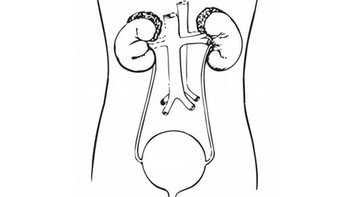
The FDA is currently evaluating the application of intravesical mitomycin for low-grade intermediate-risk non–muscle-invasive bladder cancer.
Holly Pederson, MD, and Elisha Hughes, MD, discussed the use of a polygenic risk score to identify why Black women incur higher rates of triple-negative breast cancer at younger ages.
The indication for Jylamvo now includes pediatric patients with acute lymphoblastic leukemia.

Zanubrutinib, obinutuzumab, and venetoclax delivered promising response and survival data for the treatment of patients with mantle cell lymphoma harboring a TP53 mutation.

Findings from 3 quality improvement initiatives presented at the ACCC National Oncology Conference shed light on the feasibility and importance of these projects at the community level.
ADRX-0405 is a novel antibody-drug conjugate targeting STEAP1, and a phase 1a/b study will investigate the agent for the treatment of advanced solid tumors.
Rebecca A. Shatsky, MD, discussed the I-SPY2.2 trial, its novel design, and its implications for the treatment of patients with breast cancer.
Gilead, manufacturer of the TROP2-directed antibody-drug conjugate sacituzumab govitecan, made the decision to withdraw the agent in consultation with the FDA.
Bertram Yuh, MD, MISM, MSHCPM, discussed how single-port robotic surgery has changed treatment paradigms for patients with prostate cancer.
This approval marks the first CLDN 18.2-targeted therapy in this patient population.
The FDA was expected to decide on the application of sotorasib and panitumumab for the treatment of metastatic colorectal cancer on October 17, 2024.

The completion of a new drug application for the combination of avutometinib and defactinib in KRAS-mutant ovarian cancer is expected to be finalized with the FDA by the end of the month.
The agent is currently being evaluated in a phase 1a study, and a phase 1b/2a study will continue to assess LP-184’s safety and efficacy.
A Prescription Drug User Fee Act target action date of June 13, 2025, has been set for the new drug application of intravesical mitomycin.