
E-602 represents the first glyco-immune checkpoint inhibitor and the early safety as well as translational immunology associated with the treatment in patients with advanced cancer is promising, according to Jason Luke, MD, FACP.
E-602 represents the first glyco-immune checkpoint inhibitor and the early safety as well as translational immunology associated with the treatment in patients with advanced cancer is promising, according to Jason Luke, MD, FACP.

According to the developer of TTI-101, the REVERT-Liver Cancer trial is the second of three phase 2 trials involving the agent.

Durable responses in patients with metastatic pancreatic ductal adenocarcinoma treated with mitazalimab plus chemotherapy have led to discussions with regulatory authorities.

Promise has been shown with serplulimab plus HLX04 for the treatment of advanced hepatocellular carcinoma, according to phase 2 international research.
In season 4, episode 8 of Targeted Talks, Ruchi Garg, MD, discusses treatment approaches for endometrial cancer now and in the near future.
Additional data have led to a full FDA approval for blinatumomab.

Two brentuximab vedotin/chemotherapy regimens demonstrated similar efficacy, but varied in terms of safety and preservation of fertility, according to an ICML presentation.
According to phase 3 study results, the combination of pembrolizumab and chemotherapy can induce high rates of response in patients with gastroesophageal junction adenocarcinoma while maintaining safety.
Although dosing will continue in iMMagine-1 for patients who responded well to CART-ddBCMA, recruitment has been halted due to to a safety concern.

According to phase 2 study results, the combination of prolgolimab, bevacizumab and platinum doublet chemotherapy showed promising efficacy and an adequate safety profile in cervical cancer.
Interim findings from the phase 2 EMN19 study coupled with the phase 2 LYRA study findings suggest DaraVCD is another option for multiple myeloma with extramedullary disease.
A regular review of an FDA approval application is underway for the combination of pembrolizumab and standard chemotherapy for the treatment of advanced biliary tract cancer.
Experts say results from a phase 1 study of olverembatinib in patients with succinate dehydrogenase-deficient gastrointestinal stromal tumor were encouraging and warrant further research.

In an interview with Targeted Oncology, Alexander Helfand, MD discussed the current standard practice for testing patients with renal cell carcinoma and administering immunotherapy or targeted therapy.
Ciltacabtagene autoleucel was recently said to be a new standard-of-care for relapsed or refractory multiple myeloma. Soon, it may be an FDA-approved therapy.
According to the developer, a future approval of dostarlimab for this indication would bring the first meaningful frontline treatment for this patient population in decades.

Phase 2 results have placed a novel EGFR exon 20 insertion inhibitors in the realm of possibilities for future treatment of previously-treated non–small cell lung cancer with EGFR exon 20 insertions in the tumor tissue.
In a phase 1 study, anti-tumor responses were induced with PRT811 treatment in patients with recurrent, high-grade glioma and advanced or metastatic uveal melanoma.
The FDA is no longer concerned about the safety of MT-0169, and the developer of the agent plans to focus its effort on the extramedullary myeloma population.

ACTION-1 is investigating RYZ101 versus standard-of-care therapy in patients with SSTR-positive gastroenteropancreatic neuroendocrine tumors after 177Lu-SSA therapy.
In season 4, episode 7 of Targeted Talks, Cyrus M. Khan, MD, discusses the latest FDA activity in the chronic lymphocytic leukemia space.
A phase 1 study is exploring gamma delta T-cell therapy for the first time in patients with relapsed or refractory B-cell malignancies.
In a phase 1/2 study, THE-630 is displaying preliminary anti-tumor activity and tolerable safety in patients with advanced gastrointestinal stromal tumors.

In an interview with Targeted Oncology, Liza C. Villaruz, MD, discussed important new therapies for biomarker-driven NSCLC, and novel biomarkers that may bring new treatments in the near future.
In an interview with Targeted Oncology, Alexander Helfand, MD, discussed the treatment of GIST in the second-line setting, as well as later lines, including the available options, guideline recommendations, and ongoing research.
Results from TRIDENT-1 are supporting a new drug application for repotrectinib, a potential treatment for ROS1-positive advanced non–small cell lung cancer.

Retrospective research suggests that low skeletal muscle mass at baseline may negatively impact outcomes in patients receiving chimeric antigen receptor T-cell therapy.
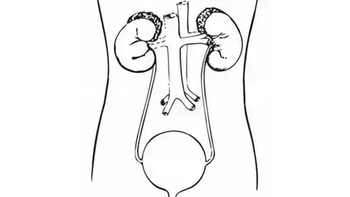
In an interview with Targeted Oncology, Siamak Daneshmand, MD, discussed TAR-200 as seen in the SunRISE-1 trial and the what is up next for the treatment landscape of high-risk BCG-unresponsive non-muscle invasive bladder cancer.
No progression-free survival advantage was shown with milademetan compared with trabectedin in the phase 3 MANTRA study.
The claudin 18.2 antibody-drug conjugate ATG-022 is being investigated in a phase 1 study as a potential treatment for advanced or metastatic solid tumors.