The FDA has granted an accelerated approval to axicabtagene ciloleucel for the treatment of adult patients with relapsed or refractory follicular lymphoma who have received 2 or more prior lines of systemic therapy.
Lisa Astor is the Associate Editorial Director for Targeted Oncology. Astor received her Bachelor of Arts in English Literature from New York University.
The FDA has granted an accelerated approval to axicabtagene ciloleucel for the treatment of adult patients with relapsed or refractory follicular lymphoma who have received 2 or more prior lines of systemic therapy.
The FDA has expanded the approval for lorlatinib to include an indication for the first-line treatment of patients with ALK-positive non–small cell lung cancer.

Full results from the phase 2 KarMMa trial decabtagene vicleucel show the promise of idecabtagene vicleucel in relapsed and refractory multiple myeloma.
The FDA has issued a complete response letter to Athenex, Inc, regarding the New Drug Application for oral paclitaxel in combination with encequidar for the treatment of metastatic breast cancer. The FDA stated that the application review process has been completed, but the NDA is not ready for approval due to safety and efficacy concerns.
The FDA has issued an emergency use authorization for a third vaccine, the Janssen COVID-19 Vaccine, for the prevention of COVID-19 caused by SARS-CoV-2.
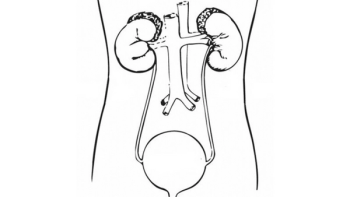
The durvalumab indication as a treatment for previously treated adult patients with locally advanced or metastatic bladder cancer has been voluntarily withdrawn in the United States by AstraZeneca, the developer of the PD-L1 inhibitor, the company announced in a press release.
Tisagenlecleucel induced a significant number of complete responses in patients with relapsed or refractory follicular lymphoma, meeting the primary end point of the phase 2 ELARA trial as of the interim analysis of the study.
The FDA accepted a new drug application for sotorasib and granted it a priority review for the treatment of patients with KRAS G12C–mutant locally advanced or metastatic non–small cell lung cancer following at least 1 prior systemic treatment.
Early antitumor activity was seen with cord blood–derived natural killer immunotherapy in combination with high-dose chemotherapy and autologous stem cell transplant in patients with B-cell non-Hodgkin lymphoma, according to early results from a phase 2 trial.
Enfortumab vedotin demonstrated superior efficacy compared with chemotherapy in patients with advanced urothelial carcinoma who had previously received platinum-based chemotherapy and PD-1/L1 inhibition, according to results from a primary analysis of the phase 3 EV-301 clinical trial.
Nivolumab in combination with cabozantinib continues to demonstrate superior efficacy over sunitinib monotherapy in the frontline treatment of patients with advanced renal cell carcinoma, according to extended follow-up data from the phase 3 CheckMate 9ER trial.
Targeted radioimmunotherapy to the marrow with apamistamab conditioning therapy led to high rates of allogeneic hematopoietic stem cell transplant in patients with active, relapsed, or refractory acute myeloid leukemia, according to interim data from the phase 3 SIERRA trial.
The FDA has approved cemiplimab-rwlc, the PD-1 inhibitor, for the treatment of patients with advanced basal cell carcinoma previously treated with a hedgehog pathway inhibitor or for whom a hedgehog inhibitor is not appropriate.
Trastuzumab deruxtecan induced a high objective response rate and durable responses among patients with HER2-mutant non–small cell lung cancer in a cohort of the phase 2 DESTINY Lung-01 trial, according to interim findings presented during the 2020 World Conference on Lung Cancer Singapore.
The FDA has granted an accelerated approval to tepotinib for the treatment of adult patients with metastatic non–small cell lung cancer who harbor a MET exon 14 skipping alteration.
Patient-reported outcomes outcomes from the Check-Mate 743 trial demonstrated improved symptom burden and maintained overall health status with the use of nivolumab/ipilimumab over chemotherapy, in patients with unresectable malignant pleural mesothelioma.

Neoadjuvant atezolizumab followed by surgery led to a major pathologic response in 21% of patients with resectable stage IB-IIIB non–small cell lung cancer, according to findings from the primary analysis of the LCMC3 trial.
One retrospective study from Spain quantified the impact the COVID-19 pandemic has had in 2020 on lung cancer diagnosis and prognosis.
Antitumor activity was demonstrated with trastuzumab deruxtecan treatment in patients with HER2-overexpressing non–small cell lung cancer, regardless of HER2 expression levels, according to interim findings from a cohort of the phase 2 DESTINY Lung-01 trial.

Tislelizumab improved overall survival compared with investigator’s choice of chemotherapy in patients with advanced unresectable or metastatic esophageal squamous cell carcinoma who have received prior systemic therapy.

The triplet regimen of nivolumab, ipilimumab, and panitumumab has shown antitumor activity among patients with previously treated metastatic colorectal cancer that is microsatellite stable and KRAS, NRAS, and BRAF wild-type, according to findings from a phase 2 LCCC1632 study.
The FDA has accepted a Biologics License Application for retifanlimab, an investigational intravenous PD-1 inhibitor, as a potential treatment for adult patients with locally advanced or metastatic squamous cell carcinoma of the anal canal who have progressed on or who are intolerant of platinum-based chemotherapy and has granted the BLA a Priority Review.
The frontline combination of trifluridine/tipiracil in combination with bevacizumab demonstrated an overall survival benefit compared with capecitabine and bevacizumab as treatment of patients with unresectable metastatic colorectal cancer who are not eligible for a standard chemotherapy regimen, resulting in a difference of almost 5 months, according to the final analysis of the phase 2 TASCO1 trial.
Neoadjuvant chemotherapy regimens were not found to increase the risk for perioperative complications in patients who have potentially resectable advanced thoracic esophageal cancer, according to data from the phase 3 JCOG 1109 trial that were virtually presented at the 2021 Gastrointestinal Cancers Symposium.
The FDA has approved fam-trastuzumab deruxtecan-nxki for the treatment of adult patients with HER2-positive locally advanced or metastatic gastric or gastroesophageal junction adenocarcinoma who have received a prior trastuzumab-based regimen.
Prostate-specific membrane antigen–targeting diagnostic agents are moving forward toward greater clinical use in PET imaging for prostate cancer.
The FDA has accepted a supplemental New Drug Application for lorlatinib as a first-line treatment of patients with ALK-positive metastatic non–small cell lung cancer and has granted the sNDA a Priority Review.
Significant progress was made this year toward effectively hitting KRAS-driven tumors, leading to a great deal of excitement in the field.
Patients with relapsed or refractory mantle cell lymphoma treated with a daily dose of parsaclisib demonstrated significant activity and tolerability for the next-generation PI3Kδ inhibitor, according to findings from the phase 2 CITADEL-205 trial.
Rolling submission has been initiated for a Biologics License Application, submitting data to the FDA for the potential approval of ciltacabtagene autoleucel for the treatment of adult patients with relapsed and/or refractory multiple myeloma.