
A new targeted therapy showed promising response rates in pediatric and adult patients with relapsed/refractory KMT2A rearranged acute leukemia.
A new targeted therapy showed promising response rates in pediatric and adult patients with relapsed/refractory KMT2A rearranged acute leukemia.

Findings from the ADAPTcycle trial suggest that endocrine therapy plus ovarian suppression can generate high response rates in patients with hormone receptor-positive early breast cancer, regardless of age.

New treatments can come with high price tags, and a population-based, retrospective study revealed that fewer than 25% of patients with cancer have a documented conversation about the financial aspects of their treatment.

Results from the phase 3 ALINA trial showed the benefit of ALK inhibition for patients with ALK-positive, early-stage, non–small-cell lung cancer with use of adjuvant alectinib significantly improving disease-free survival.

Treatment with axicabtagene ciloleucel in the second-line setting led to significant improvement in overall survival compared with high-dose therapy plus transplant in patients with early relapsed or refractory large B-cell lymphoma.

New patient reported outcomes from the phase 3 RUBY trial show patients with primary advanced or recurrent endometrial cancer maintained their health-related quality of life when on dostarlimab and chemotherapy.
According to George Lau, MD, FRCP, FAASLD, patients with unresectable hepatocellular carcinoma who experienced immune-related adverse events with the STRIDE regimen were not precluded from receiving survival benefit.

Whole-exome sequencing demonstrated the ability to identify genetic conditions in patients for whom clinical guidelines did not require testing.

Carolina Frailty Index Score can effectively assess frailty status in women with ovarian cancer.
A correlation in total scores were seen between the gynecological cancer lymphedema questionnaire and the lower extremity lymphedema screening questionnaire, according to findings presented at the 2023 Society of Gynecologic Oncology Annual Meeting on Women’s Cancer.

Treatment with avelumab for locally advanced or metastatic urothelial carcinoma showed to be consistent in a real-world with what was previously seen in the phase 3 JAVELIN Bladder 100 trial.

Breast and gastric cancer algorithms are acceptable to use when identifying patients with colorectal cancer who may respond to tucatinib in combination with trastuzumab.
Data from the health-related quality of life analysis of the LEAP-002 study showed similar scores with the addition of pembrolizumab to lenvatinib vs placebo plus lenvatinib in patients with hepatocellular carcinoma.

Encouraging health-related quality of life benefit was demonstrated in for patients with transplant eligible, newly diagnosed multiple myeloma treated with a daratumumab quadruplet regimen.

The use of trastuzumab deruxtecan in the neoadjuvant setting showed promising responses in patients with early-stage breast cancer.

Pembrolizumab in the neoadjuvant and adjuvant settings demonstrated similar health-related quality-of-life scores in patients with triple-negative breast cancer when compared with placebo.

Patient-reported outcomes from the DESTINY-Breast04 trial showed a quality-of-life benefit from treatment with trastuzumab deruxtecan compared with physician’s choice of therapy in patients with hormone receptor–positive, HER2-low metastatic breast cancer.
ADP-A2M4CD8, an autologous T-cell therapy, showed promising antitumor activity in several solid tumor types including ovarian, gastric, and urothelial cancer.

Patients with hormone receptor–positive, HER2-negative advanced breast cancer who had dose modifications of ribociclib had comparable overall survival outcomes to those given the standard dose.

Reductions in severe oral mucositis across all intensity-modulated radiotherapy landmarks was observed with avasopasem treatment in patients with locally advanced, nonmetastatic head and neck cancer.

A new murine monoclonal antibody B43.12 is under investigation in combination with paclitaxel and carboplatin as a treatment option for patients with advanced epithelial ovarian cancer.

Chemotherapy plus intravenous vitamin C shows benefit in cisplatin-ineligible patients with locally advanced muscle-invasive bladder cancer.
Immune-related adverse effects may show significantly longer progression-free survival and overall survival in patients with metastatic urothelial carcinoma who are receiving pembrolizumab.

The majority of patients treated in a phase 1 trial of belimumab used as chronic graft-vs-host-disease prophylaxis showed no evidence of the disease after 20 months of follow-up.


Health-related quality of life outcomes was more sustainable in patients with advanced renal cell carcinoma on nivolumab plus cabozantinib compared to sunitinib.
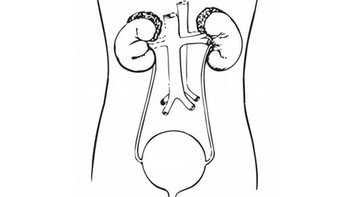
Next-generation sequencing samples of urine cytology specimens from upper tract urothelial carcinoma demonstrated an 86% success rate.

According to new KEYNOTE-590 study findings, pembrolizumab and chemotherapy as a treatment for patients with locally advanced and metastatic esophageal cancer showed clinical benefit.
Single nucleotide polymorphisms such as NOTCH1, SEMA4D, NLRC5, and IL6R, may be predictive of nivolumab toxicity in advanced gastric cancer.

Patients with high levels of amphiregulin appeared to be at a higher risk of early death from acute graft-versus-host-disease, signaling that it may be a predictive biomarker.

December 14th 2021