
A prospective study of blood samples confirmed the immune-modulatory effect of lenvatinib with a significant increase in the peripheral natural killer cells among patients with advanced thyroid cancer.

Kristie L. Kahl is vice president of content at MJH Life Sciences, overseeing CURE®, CancerNetwork®, the journal ONCOLOGY, Targeted Oncology, and Urology Times®. She has been with the company since November 2017.
She is a graduate of Rider University, where she acquired a Bachelors of Art in journalism, as well as a graduate of Temple University, where she received her Masters of Science in Sports Management.
Follow Kristie on Twitter at @KristieLKahl, or email her at kkahl@mjhlifesciences.com.
A prospective study of blood samples confirmed the immune-modulatory effect of lenvatinib with a significant increase in the peripheral natural killer cells among patients with advanced thyroid cancer.
Following American Thyroid Association guidelines, a retrospective study confirmed that remission rates were comparable in pediatric patients with low-risk differentiated thyroid carcinoma who did and did not receive radioactive iodine therapy.

The combination use of a BRAF/MEK inhibitor plus checkpoint inhibitor immunotherapy did not meet median overall survival at 2 years, hinting at the combinations’ improved efficacy in patients with BRAF V600E-mutated anaplastic thyroid cancer.

The addition of 2 years of androgen-deprivation therapy to radiotherapy after radical prostatectomy improved metastasis-free survival and time to salvage therapy in patients with prostate cancer.
Tucatinib alone and with trastuzumab supported further investigation of each regimen in metastatic HER2-positive colorectal cancer.
A reduced the risk for disease progression by 27% was seen with the combination of cabozantinib added to nivolumab and ipilimumab in previously untreated advanced renal cell carcinoma.
Neoadjuvant cemiplimab showed promising results in cutaneous squamous cell carcinoma with a near or complete disappearance of disease in almost 64% of patients set to undergo surgery.

Adjuvant nivolumab plus ipilimumab in patients with localized renal cell carcinoma at high risk for relapse after nephrectomy failed to significantly improve disease-free survival vs placebo in part A of the phase 3 CheckMate 914 trial.
Adding a limited course of tremelimumab to durvalumab plus chemotherapy induced long-term OS in patients with metastatic NSCLC, even when stratified by histology and mutation status.
Adding abemaciclib to trastuzumab improved overall survival in women with with hormone receptor–positive, HER2-positive advanced breast cancer, according to new findings discussed at the 2022 ESMO Congress.
A study of air pollutant particulate matter shows that it may be a mechanistic driver for lung cancer, showing a need to curb its source.
Although the combination use of lenvatinib plus pembrolizumab did not induce statistically significant differences in the co-primary end points, the LEAP-002 trial induced the longest seen median overall survival with lenvatinib monotherapy in patients with unresectable HCC.

Findings from the phase 3 SOLO1/GOG-3004 trial presented at ESMO 2022 support maintenance therapy with olaparib in women with newly diagnosed advanced ovarian cancer.
Adding olaparib to bevacizumab maintenance therapy following treatment with first-line standard-of-care treatment revealed am improvement in overall survival in advanced ovarian cancer and homologous recombination deficiency.

Antitumor activity was seen with combination of cobimetinib plus vemurafenib of in patients with BRAF mutations otherwise ineligible for treatment with other FDA-approved therapies.

Dostarlimab monotherapy induced durable antitumor activity in advanced or recurrent endometrial cancer among patients with mismatch repair deficient/microsatellite instability–high or mismatch repair proficient/mismatch stable disease, according to data from 2 expansion cohorts in the GARNET trial.
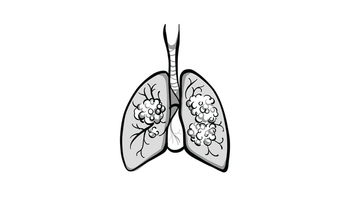
Treatment with the KRAS G12C inhibitor adagrasib showed a promising objective response rate and disease control rate in patients with previously treated KRAS G12C–mutated non–small cell lung cancer.

The combination of nimotuzumab and gemcitabine extended overall survival in patients with KRAS wild-type advanced pancreatic cancer, especially in those who did not need surgery for obstruction of a pancreatic bile duct
Adding pembrolizumab to CG0070 led to a complete response rate of 88.9% among 18 patients in the phase 2 CORE1 trial.
According to new research, genetic determinants of PSA proved to robustly predict prostate cancer diagnoses and improve the detection of aggressive disease; however, larger and more diverse studies are still required.

Despite its infrequency, early cardiac toxicity may occur more often in patients who received cyclophosphamide-based graft-versus-host disease prophylaxis and those who have a prior history of cardiac disease.
According to Matthew Galsky, MD, results from the CheckMate-274 clinical trial support adjuvant nivolumab as a standard of care for patients with high-risk muscle-invasive urothelial cancer after radical resection.
Increased rates of complete responses with bone marrow undetectable minimal residual disease were seen with the time-limited combination of ibrutinib plus chemoimmunotherapy in younger fit patients with chronic lymphocytic leukemia.

Minimum residual disease can inform approaches to treatment of newly diagnosed multiple myeloma for patients receiving daratumumab plus carfilzomib, lenalidomide, and dexamethasone following autologous transplant.

Chemotherapy with the addition of eryaspase showed biological efficacy in reducing hypersensitivity reactions to asparaginase in patients with acute lymphoblastic leukemia.
Older patients with diffuse large B-cell lymphoma experienced improved progression-free survival, quality of life, and function after receiving ibrutinib plus rituximab and mini-CHOP.
Combining daratumumab with bortezomib, cyclophosphamide, and dexamethasone improved hematologic and organ responses after 18 months of follow-up in the phase 3 ANDROMEDA study.

Final results from the phase 3 PALLAS study show the addition of palbociclib to endocrine therapy lacks benefit for patients with early hormone receptor-positive, HER2-negative breast cancer.

When comparing de-escalated neoadjuvant ado-trastuzumab emtansine, with or without endocrine therapy, vs trastuzumab plus endocrine therapy baseline tumor immunogenicity may be associated with higher pathologic complete response rates and favorable outcomes in hormone receptor-positive, human epidermal growth factor receptor 2-positive early stage breast cancer.
Among patients with malignant pheochromocytoma and paraganglioma, treatment with sunitinib demonstrated improved efficacy.