Articles by Jessica Hergert

Results for the phase 3 ANDROMEDA study showed an improvement in hematologic complete response rates with the combination of daratumumab plus bortezomib, cyclophosphamide, and dexamethasone compared with VCd alone in patients with newly diagnosed amyloid light-chain amyloidosis.
The precision Treg-engineered donor product Orca-T exhibited preventive potential for graft-versus-host disease in patients with high-risk hematologic malignancies who underwent hematopietic stem cell transplantation, with less immunosuppression compared with the standard of care.
The novel ROR1-targeted antibody-drug conjugate VLS-101 induced encouraging clinical efficacy, consistent pharmacokinetics, and a favorable safety profile as treatment of heavily pretreated patients with mantle cell lymphoma and diffuse large B-cell lymphoma.
Patients with refractory large B-cell lymphoma experienced long-term disease control with rapid responses and robust CAR T-cell expansion with the CAR T-cell therapy axicabtagene ciloleucel.
Significant disparities between survival outcomes of non-Hispanic white, non-Hispanic black, and Hispanic patients with acute myeloid leukemia in the Chicago metropolitan area were seen with census tract socioeconomic status information.
In an interview with Targeted Oncology, Toni K. Choueiri, MD, discussed key results from the CheckMate-9ER trial in advanced renal cell carcinoma, as well as ongoing trials with the potential to move the landscape further along.

Frontline nivolumab plus chemotherapy induced a statistically significant survival benefit compared with chemotherapy alone in patients with newly diagnosed PD-L1–positive advanced gastric cancer, gastroesophageal junction cancer, and esophageal adenocarcinoma.

The use of molecularly-directed frontline therapy enriched responses in patients with metastatic clear cell renal cell carcinoma, demonstrating clinical evidence to support further use, according to findings from the noncomparative, phase 2, biomarker-driven BIONIKK trial.
A statistically significant and clinically meaningful improvement in progression-free survival was observed with the use of surufatinib compared with placebo in patients with advanced pancreatic neuroendocrine tumors, meeting the primary end point of the randomized phase 3 SANET-p study.
For patients with advanced gastrointestinal stromal tumors, there was continued clinically meaningful benefit with the novel broad-spectrum KIT and PDGFRα inhibitor ripretinib in the fourth line or later, according to updated data from the randomized phase 3 INVICTUS trial presented at the 2020 ESMO Virtual Congress.
The addition of BGB-A333 to tislelizumab led to marked antitumor activity and durable responses with a tolerable safety profile as treatment of patients with urothelial carcinoma in the phase 1/2 BGB-900-101 study.

In an interview with Targeted Oncology, Alexey V. Danilov, MD, PhD, discussed the ELEVATE-TN trial and other potentially practice-changing BTK inhibitor combinations expected to emerge in chronic lymphocytic leukemia.

In an interview with Targeted Oncology during the 2019 Kidney Cancer Research Summit, Wayne A. Marasco, MD, PhD, discussed the intricacy of engineering CAR T cells and the early data he has observed with the approach in RCC.
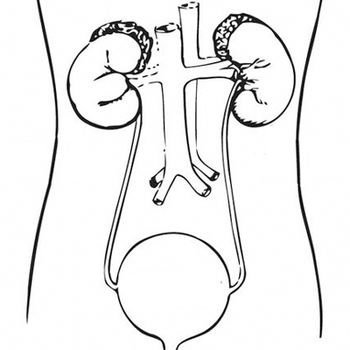
Apalutamide plus androgen deprivation therapy maintained health-related quality of life in patients with metastatic castration-sensitive prostate cancer in addition to showing positive overall survival and radiographic progression-free survival outcomes in the phase III TITAN trial, said Neeraj Agarwal, MD.