
Researchers are working to optimize the outcomes associated with CAR T-cell therapy, focusing on unique combinations that may enhance T-cell fitness, improving tumor eradication and treatment outcomes.
Researchers are working to optimize the outcomes associated with CAR T-cell therapy, focusing on unique combinations that may enhance T-cell fitness, improving tumor eradication and treatment outcomes.

The last decade of immunotherapy progress was based on decades of prior research, including other forms of immunotherapy.
Treatment options have expanded widely for patients with multiple myeloma over the past several years, resulting in significantly improved outcomes for these patients.

The future is rapidly approaching; several hundred trials are using circulating tumor DNA detection and quantification for either intervention or observation.

In 2017, the American Society of Clinical Oncology and the Ontario Health-Cancer Care Ontario's non–small cell lung cancer expert panel published a guideline with recommendations for systemic therapy for patients with stage IV NSCLC.
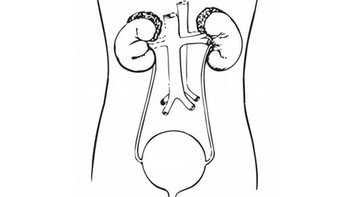
Although curing advanced RCC is an admirable goal, there are many treatment options available on the horizon that result in substantial improvements in long-term outcomes.

Oncologists deciding what to do about coronavirus disease 2019 vaccines are not alone.
Immune checkpoint inhibitors blocking CTLA-4 or PD-1/PD-L1 often provide durable antitumor benefits to certain patients who respond to them; however, the percentage of responders is low, around 15% to 25%.

Agents developed to prevent myelosuppression are the latest chemoprotectants under investigation in the treatment of various solid tumor malignancies.

Alterations of the NRG1 gene that are present at low rates in certain solid tumors have emerged as potentially actionable oncogenic drivers, with targeted therapies making their way to early clinical studies and into some basket trials.

Presentations at the 60th American Society of Hematology Annual Meeting & Exposition were dominated by advancements in the treatment of chronic lymphocytic leukemia.
The use of big data is revolutionizing many industries, allowing greater insights by drilling into evidence with more detail.

March 28th 2022

February 12th 2019