Articles by Danielle Bucco

According to updated results from the phase II ABC trial presented at the 2017 World Congress of Melanoma, Nivolumab (Opdivo) combined with ipilimumab (Yervoy) showed activity in asymptomatic patients with melanoma brain metastases who had not received prior local therapy to the brain.
While immunotherapty has led a transformation for melanoma care, combinations of anti–PD-1 and CTLA-4 agents are toxic, and biomarkers are not yet available to help personalize treatment. Therefore, Carolina Robert, MD, PhD, says, further research is needed to explore less toxic, more effective options.
In patients with melanoma, the use of intralesional therapies in combination with checkpoint inhibitors has demonstrated to be an improvement to monotherapy and combinations with immunotherapy, according to a presentation by Robert Andtbacka, MD, at the 2017 World Congress of Melanoma.

In the phase III KEYNOTE-177 trial, investigators are hoping to show that frontline treatment with the PD-1 inhibitor pembrolizumab (Keytruda) can improve progression-free survival compared with standard-of-care chemotherapy in patients with mismatch repair-deficient or microsatellite instability-high colorectal cancer.
Dmitriy Zamarin, MD, PhD, discusses the potential for immunotherapy in the treatment of ovarian cancer.
In updated phase III results, lenvatinib continued to be noninferior in overall survival compared with sorafenib for patients with unresectable hepatocellular carcinoma, and achieved significant improvements in progression-free survival, time to progression, and objective response rate compared with sorafenib.
Multidisciplinary findings across the field of hepatocellular carcinoma will be showcased at the 11th International Liver Cancer Association Annual Conference on September 15 to 17 in Seoul, South Korea. Abstracts already under discussion at this year’s ILCA conference include pivotal research on VGEF inhibitors, immunotherapy regimens, and biomarkers.
Investigators recently evaluated the genetic profiles of 160 breast and ovarian cancers associated with germline mutations in <em>BRCA1 </em>and <em>BRCA2 </em>and<em> </em>determined that there is a relationship between the genetics of <em>BRCA</em>1/2 mutations and the risk of resistance to platinum-based chemotherapy.
Hepatocyte pERK-positive immunostaining and microvascular invasion were independent prognostic factors of recurrence-free survival for patients with hepatocellular carcinoma treated with adjuvant sorafenib. According to an analysis of the phase III STORM study presented at the 11th International Liver Cancer Association Annual Conference, a predictive biomarker for recurrence was not uncovered.
The randomized phase IIb METRIC trial could possibly pave the way for the first FDA approval for a targeted therapy for patients with triple-negative breast cancer. <br />
According to updated phase III results presented at the 11th Annual International Liver Cancer Association Conference, first-line therapy with Lenvatinib in the frontline setting continued to be noninferior in overall survival and achieve significant improvements in progression-free survival, time to progression, and objective response rate versus sorafenib for patients with unresectable hepatocellular carcinoma
Younger women with breast cancer, which make up of around 20% of patients, present with unique disease characteristics that warrant careful consideration of potentials treatments, particularly given the potential for long-term side effects.

Breast cancer is the most common cancer among women around the world, and those in low- and middle-income countries experience the most deaths from the disease, representing a major need for improvement with significant challenges.
CMB305, an immunotherapy regimen that generates and expands anti-NY-ESO-1 T cells, demonstrated a favorable survival rate in patients with recurrent soft tissue sarcoma, compared with other agents approved for the disease.
Jane McElroy, PhD, discusses the association between higher cadmium levels and an increased risk of endometrial cancer.
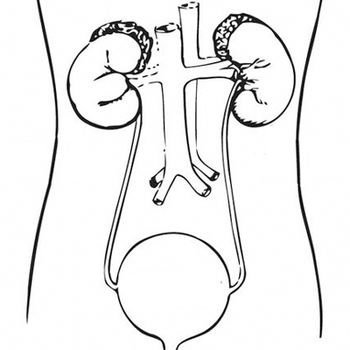
Jonathan E. Rosenberg, MD, discusses the muscle-invasive bladder cancer guidelines and their significance for the treatment of patients with muscle-invasive bladder cancer.
Robert Andtbacka, MD, discusses long-term results for T-VEC in melanoma and the remaining challenges with the oncolytic immunotherapy.<br />
Adding pertuzumab to standard postoperative trastuzumab therapy in patients with HER2-positive early breast cancer improved the rate of recurrence overall, but had a greater benefit for individuals with higher-risk disease, according to results from the phase III APHINITY trial.
Joyce O’Shaughnessy, MD, provides an update on existing research in metastatic triple-negative breast cancer, and novel agents on the horizon.
Abemaciclib penetrated brain metastases and had antitumor activity in patients with hormone receptor (HR)-positive, HER2-negative metastatic breast cancer, preliminary evidence suggests.
Daniel P. Petrylak, MD, discusses the KEYNOTE-045 study results and the next steps with pembrolizumab in urothelial carcinoma.
Arjun V. Balar, MD, discusses the impact of the approval of pembrolizumab and other immunotherapy agents in urothelial carcinoma, as well as the next steps with these treatments.
Peter Black, MD, discusses the recent explosion of FDA approvals in the field of urothelial carcinoma, including durvalumab.
Bradley C. Leibovich, MD, discusses the benefits of surgery and the need for more effective drug treatments for patients with metastatic renal cell carcinoma.

Gail J. Roboz, MD, discusses the recent FDA approval of midostaurin and what else is emerging in the treatment landscape in AML.
Matthew I. Milowsky, MD, discusses advances with checkpoint inhibitors in the treatment paradigm for urothelial cancer.
Steven Coutre, MD, discusses ongoing efforts to enhance frontline outcomes for patients with CLL.
Ann Marie Beddoe, MD, discusses a study implementing cervical cancer screening and highlights HPV predictors in developing countries.

Benjamin L. Judson, MD, highlights the importance of a multidisciplinary team and shares insight on some of the advancements related to surgery for patients with head and neck cancer.
Debu Tripathy, MD, discusses current and emerging treatment strategies in the neoadjuvant setting for patients with HER2-postive breast cancer.