
Philip Bierman, MD, discusses the current landscape of central nervous system involvement in aggressive lymphoma and the research that still needs to be conducted.
Philip Bierman, MD, discusses the current landscape of central nervous system involvement in aggressive lymphoma and the research that still needs to be conducted.

Jeffrey S. Weber, MD, PhD, discusses the promise of nivolumab in patients with high-risk resected stage III/IV melanoma and gives a general overview of the melanoma treatment landscape.

Scott Kopetz, MD, PhD, FACP, discusses recent data in <em>BRAF</em>-mutant colorectal cancer and the importance of molecular subtyping.
David O’Malley, MD, lead investigator of the FORWARD II trial, discusses the emerging combination of mirvetuximab soravtansine plus bevacizumab and the evolving treatment landscape in ovarian cancer.
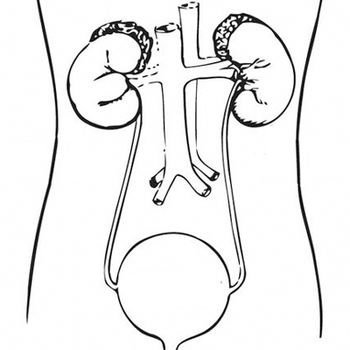
Padmanee Sharma, MD, PhD, shares insight on the current state of immunotherapy in the treatment of patients with GU cancers.
Tanios Bekaii-Saab, MD, shares his insights on the results from the ReDOS trial, as well as the IMblaze370 trial for patients with mCRC
In an interview with <em>Targeted Oncology</em>, Simon Rule, MD, PhD, professor of Hematology at Plymouth University Medical School, United Kingdom, discusses the current treatment paradigm for MCL, as well as the potential use of BTK inhibitors for the treatment of this patient population.
Cathy Eng, MD, discusses recent data that could shape the treatment landscape for several GI cancers.
Keith T. Flaherty, MD, discusses results for the combination of encorafenib and binimetinib in patients with <em>BRAF</em>-mutated melanoma investigated in the COLUMBUS trial. He also highlights the potential implications and next steps.
Manish A. Shah, MD, discusses key details of the KEYNOTE-180 trial, as well as results from the BRIGHTER study. He also shared his insights on the unanswered questions that still need to be addressed in the field.
Noopur Raje, MD, discusses the latest treatment advances in multiple myeloma, including the promising results seen with the anti-BCMA CAR T-cell therapy bb2121 in patients with relapsed/refractory disease.
Checkpoint inhibitors have provided practice-changing therapeutic targets for clinicians by regulating host immune response. The treatment landscape in colorectal cancer has significantly changed as a result, but more research is necessary for certain subtypes, particularly the microsatellite stable patient population.
Ursula A. Matulonis, MD, lead author of the phase II QUADRA trial, discusses the activity and tolerability of niraparib in patients with heavily pretreated homologous recombinant deficiency-positive ovarian cancer, and other recent data in ovarian cancer.
Treatment with pembrolizumab and bevacizumab proved to be a promising combination regimen for patients with metastatic renal cell carcinoma, according to phase Ib/II data presented at the 2018 ASCO Annual Meeting.
Susan Halabi, PhD, discusses an analysis that found that the risk of death from metastatic castration-resistant prostate cancer was nearly 20% lower in African-American men than in Caucasian men.
Andre Goy, MD, shares insight on the new array of treatment options for mantle cell lymphoma and how to properly implement them.
Susan M. O’Brien, MD, discusses some of the latest intriguing data in the treatment of CLL, and the growing importance of mutation status.
Brian I. Rini, MD, discusses atezolizumab and bevacizumab as an effective frontline combination in RCC, as well as PROs with the regimen.