Articles by Audrey Sternberg

In women with advanced epithelial ovarian cancer treated in a single-institution study at the Cleveland Clinic, the addition of paclitaxel to cisplatin for hyperthermic intraperitoneal chemotherapy during interval debulking surgery was associated with improved oncologic outcomes compared with cisplatin alone.
In patients with clear cell renal cell carcinoma who had been treated with an immune checkpoint inhibitor in prior lines of therapy, lenvatinib in combination with everolimus was found to be safe and effective.

Five-year follow-up data from the phase 3 CLTR0310-301 clinical trial shows continued OS benefit with the novel agent CPX-351 in acute myeloid leukemia subgroups.

Treatment with amivantamab induced deep and durable responses as well as promising survival as treatment of patients with previously treated non–small cell lung cancer harboring EGFR exon 20 insertion mutation in phase 1 CHRYSALIS trial.
Overall survival is significantly improved when pembrolizumab is added to platinum-based chemotherapy in the frontline treatment of patients with metastatic nonsquamous non-small cell lung cancer.

The virtual 38th Annual Miami Breast Cancer Conference®, hosted by Physicians’ Education Resource®, LLC will feature presentations from industry thought leaders on innovations in the arena of breast cancer treatment, including topics about systemic therapy and beyond.
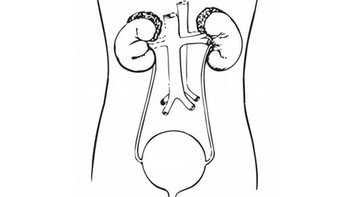
An exploratory analysis of the phase 3 IMvigor130 trial demonstrated that the benefit of frontline atezolizumab added to gemcitabine and platinum chemotherapy was maintained in patients with urothelial cancer, regardless of the site of the primary tumor.

Pembrolizumab monotherapy demonstrated durable antitumor activity and encouraging effects on survival in an evaluation of patients with previously untreated hepatocellular carcinoma.
Earlier in the year, Javier Cortes, MD, PhD, presented progression-free survival results from the phase 3 KEYNOTE-355 clinical trial, which showed the importance of the addition of taxanes to a platinum-based regimen in the triple-negative breast cancer space.

Expanding beyond the chronic lymphocytic leukemia/ small lymphocytic lymphoma space, the BCL2 inhibitor venetoclax garnered attention in 2020 for positive reports from phase 3 clinical trials exploring its use in acute myeloid leukemia and multiple myeloma.
Multiple chimeric antigen receptor T-cell therapies for the treatment of lymphomas and multiple myeloma have moved forward in the regulatory process, with 1 new FDA approval in 2020 and others anticipated in the near future.
Since the start of the COVID-19 pandemic, visits to doctor’s offices and infusion centers dramatically declined in an attempt to reduce patient exposure to the virus, which led to delays in the delivery of certain therapies in the oncology setting.

Subgroup analyses of a phase 3 randomized trial continue to support a role for the addition of pembrolizumab to chemotherapy in the frontline setting for patients with advanced triple-negative breast cancer, with the greatest benefit derived by those with higher PD-L1 expression by combined positive score.
A retrospective exploratory analysis of 3 trials of ribociclib in patients with hormone receptor–positive, HER2-negative advanced breast cancer confirmed the prognostic value of intrinsic tumor subtype for efficacy outcomes with CDK4/6 inhibition.

The combination of selinexor plus pomalidomide and low-dose dexamethasone led to favorable responses in a cohort of patients with heavily pretreated multiple myeloma, warranting further investigation of the regimen in a phase 3 trial.
Updated findings from the phase 1 CRB-401 trial of the chimeric antigen receptor T-cell therapy idecabtagene vicleucel showed a consistently favorable risk profile as well as durable, ongoing responses in heavily pretreated patients with multiple myeloma.
In an interview with Targeted Therapies in Oncology, Sagar Lonial, MD, detailed breakthroughs in the care of patients with multiple myeloma as well as other hematologic cancers, and offered a preview of what attendees might expect to hear at the 24th Annual International Congress on Hematologic Malignancies meeting.
Although the dual HER2 blockade combination is now considered a standard regimen for the treatment of patients with HER2-positive early-stage breast cancer, there are limited efficacy data regarding the use of the regimen in Asian populations.
Alexander Drilon, MD, chief of Early Drug Development Service at Memorial Sloan Kettering Cancer Center in New York, discussed each of the recently approved agents used for the treatment of these tumors and presented a review of the data at the 15th Annual New York Lung Cancer Symposium.
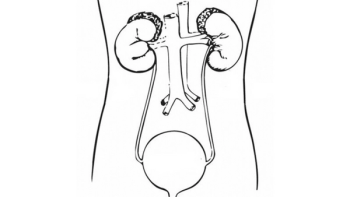
Treatment strategies that build on standard therapies plus the use of novel agents in metastatic urothelial carcinoma were spotlighted at the European Society for Medical Oncology Virtual Congress 2020, with some having the potential to affect treatment regimens of patients who are receiving therapy in the frontline setting.
“In order to make continued progress, one gap we face is the limited diversity in our cohorts of patients in biomedical research.”
The introduction of venetoclax into the treatment paradigm of chronic lymphocytic leukemia has led to options for time-limited therapy in a space that has been dominated by continuous therapeutic agents.
Recent acceleration in the introduction of new regimens for the treatment of estrogen receptor–positive breast cancer has led to significant survival enhancement, but questions remain regarding how patients should be stratified following disease progression with these therapies.
On the treatment of adult patients with acute lymphoblastic leukemia, long-term cure rates in elderly populations, or those older than 55 to 60 years of age, are approximately 15% to 20% and represent a clinically unmet need in this hematologic cancer.
When choosing therapy for patients with early stage Hodgkin lymphoma, considering risk scoring systems and Deauville criteria for PET-adapted therapy are key conditions for optimizing survival rates, according to Ranjana H. Advani, MD.

In patients with advanced hepatocellular carcinoma treated in 2020, there was an observed decrease in planned treatment as well as significant delays noted as a result of the coronavirus disease 2019 pandemic, according to the results of a study of 6 academic referral centers.
Laura Goff, MD, discussed the combination of atezolizumab plus bevacizumab in relation to its effect on the treatment paradigm of hepatocellular carcinoma during a presentation at the 17th Annual Meeting of the International Society of Gastrointestinal Oncology.
Although the use of α-fetoprotein has long been established in hepatocellular carcinoma as a biomarker for screening and diagnosis, its role in treatment selection and prognosis following systemic therapy is a moving target.
Inequities in patient enrollment to cancer clinical trials has once again bubbled to the surface of cancer conversations, resulting in collaboration between clinicians to address and overcome the barriers observed

Positive safety, pharmacokinetic, and pharmacodynamic data were reported for the first-in-human phase 1 dose-escalation trial of MGD019 during the European Society for Medical Oncology Virtual Congress 2020 as well as preliminary antitumor activity in select tumor types.