
According to experts, routine biomarker testing has become a standard part of care for several common tumor types.
According to experts, routine biomarker testing has become a standard part of care for several common tumor types.

Most studies of how timing affects immunotherapy efficacy have defined “timing” relative to other treatments, but some research has investigated the impact of giving patients immunotherapy at different times of day.
Up to 60% of patients undergoing active treatment and a third of cancer survivors report significant pain stemming either from their cancer itself or their cancer treatments. The most common treatment for significant cancer- related pain is opioid medication.

After decades of use in clinical settings, targeted therapies now enjoy favored status in the cancer treatment landscape.
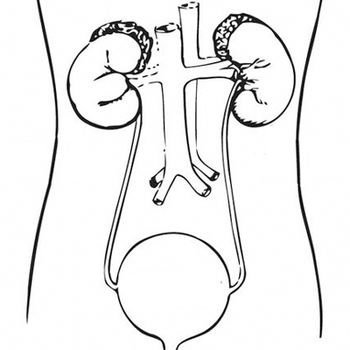
Ongoing research seeks to boost objective response rates in urothelial cancer by developing biomarkers to predict which immune checkpoint inhibitors a patient is most likely to respond to and by testing these in combination with each other and other treatment types to increase both the number and duration of responses.

New draft guidelines from the FDA endorse the use of multiple expansion cohorts in first-in-human clinical trials as a means of speeding lifesaving medications to market, but the document warns that the difficulties and dangers of using such complex studies so early in the testing process necessitate unusually careful design and oversight.
Complex drug trials that use a single protocol to test either 1 agent against multiple cancers or multiple agents against 1 cancer can make drug testing faster, cheaper, and more informative, particularly when those trials use the data to constantly improve protocols.
Researchers’ understanding of why patients with cancer do or do not respond to treatment with immune checkpoint inhibition is constantly evolving, with new developments in innate and adaptive immunity, the tumor microenvironment, and more changing the way that immunotherapy is viewed and used. Many researchers are now pointing to the effect that gut microbiota have on patients’ response to checkpoint inhibitors and its implications for the treatment of patients receiving immunotherapy.
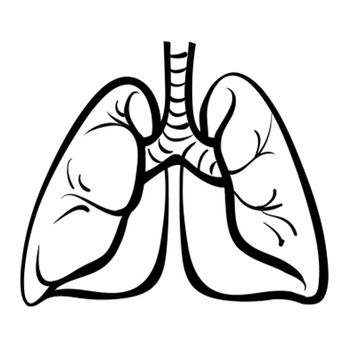
Improving outcomes for disadvantaged patients with lung cancer has been a priority for over 5 years at Mary Bird Perkins-Our Lady of the Lake Cancer Center in Baton Rouge, Louisiana.
Determining the sequence of therapies has yet to be wholly standardized for treating castration-resistant prostate cancer (CRPC), particularly in the case of abiraterone (Zytiga) and enzalutamide (Xtandi).
The overwhelming majority of patients with cancer who appear to progress after they begin immunotherapy will never respond. They will continue to progress, just as quickly as they would with no treatment and just as predicted by the Response Evaluation Criteria in Standard Tumors (RECIST) criteria that have long guided most trial evaluations and many treatment decisions.
Hope S. Rugo, MD, discusses efforts to find effective new treatments for triple-negative breast cancer.

A number of new clinical and pre-clinical agents currently in development were explored during the SITC 31st Annual Meeting and Associated Programs.
Studies presented at the 2013 Breast Cancer Symposium investigated the efficacy and safety of various approaches to the treatment of HER2-positive breast cancer.
A pair of studies from the 2013 Breast Cancer Symposium delivered promising and preliminary news about the microtubule inhibitor eribulin mesylate.

An analysis of the T-PAS expanded access study of T-DM1 in previously treated HER2+ metastatic breast cancer confirmed existing information on the safety of the combination, and observed significant clinical activity in a patient population that averaged seven prior therapies.

New analyses of the BOLERO-2 trial indicate that everolimus and exemestane produced significantly longer PFS than placebo and exemestane in several previously unstudied patient subgroups.

March 16th 2017

September 12th 2013
September 12th 2013
September 12th 2013

September 12th 2013