
Families of children with acute lymphoblastic leukemia face significant financial challenges during treatment, with many experiencing material hardship and income loss.
Families of children with acute lymphoblastic leukemia face significant financial challenges during treatment, with many experiencing material hardship and income loss.

CIRT led to a short-term drop in urinary function in prostate cancer patients, with recovery starting at 3 months and continuing for 5 years.
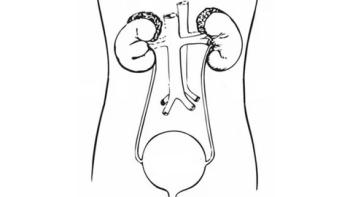
The past 12 months have seen the FDA approvals of enfortumab vedotin plus pembrolizumab for patients with locally advanced or metastatic urothelial cancer and nivolumab plus cisplatin and gemcitabine for patients with unresectable or metastatic urothelial carcinoma.

Findings from the BOREAS study showed that navtemadlin as a monotherapy led to safety and efficacy in patients with myelofibrosis who were relapsed or refractory to JAK inhibitors.

The novel Bruton tyrosine kinase degrader BGB-16673 shows promise in relapsed/refractory Waldenström macroglobulinemia previously exposed to BTK inhibitors, and in heavily pretreated patients with R/R chronic lymphocytic leukemia/small lymphocytic lymphoma.
Olverembatinib demonstrates potential as a safe, effective second-line therapy for chronic-phase CML after resistance to second-generation TKIs, according to ChiCTR2200061655 trial data.

Adagrasib demonstrated superior outcomes to docetaxel in patients with previously treated KRAS G12C-mutated non-small cell lung cancer, even among those with baseline brain metastases.
Neoadjuvant endocrine therapy followed by targeted therapy led to excellent survival outcomes in patients with hormone-receptor-positive, HER2-positive early breast cancer.

Recent data shows that telehealth is comparable to quality of life to in-person visits for patients with advanced non–small cell lung cancer.
Prior treatment with external beam radiation therapy did not increase incidence of hematological toxicity relative to the overall population of patients with metastatic castration-resistant prostate cancer treated with radium-223.

Patients with unresectable hepatocellular carcinoma and poor liver function were more likely to experience serious adverse effects leading to regorafenib treatment discontinuation, researchers have found.

The treatment combination of isatuximab with carfilzomib, lenalidomide, and dexamethasone resulted in a 100% objective response rate among patients with newly diagnosed multiple myeloma.

Preliminary study results examining the bispecific antibody, CDK4/6 inhibitor, and hormone therapy combination in patients with advanced breast cancer were presented at SABCS.
